
El Calupoh es una raza canina de origen mexicano y la tercera raza nacional reconocida oficialmente por la Federación Canófila Mexicana, junto con el Xoloitzcuintle y el Chihuahua. El Calupoh surge como una recuperación cultural, una forma de devolverle la voz y forma a un símbolo que alguna vez tuvo un profundo significado espiritual y social.
El Calupoh es más que un perro, es una herencia viva de México. Nacido del rescate de una técnica de crianza ancestrales del México prehispánico, esta raza representa un puente entre el pasado prehispánico y el México contemporáneo. Su imagen evoca al lobo, mientras que su temperamento ha sido cuidadosamente desarrollado para convivir en la vida moderna sin perder su esencia.
Hoy, el Calupoh es un símbolo de identidad mexicana, un guardián moderno que camina con la memoria del México antiguo y un legado que merece ser conocido, comprendido y preservado.
Calupoh: Un tesoro Prehispánico entre nosotros
Con el paso de los siglos, muchos de los perros que formaron parte del México Prehispánico se extinguieron. Y aunque ya no era posible recuperar exactamente la genética de aquellos “loberros”, si existía la posibilidad de rescatar la técnica de crianza y el simbolismo detrás de ellos.
Así nació el proyecto del Calupoh, impulsado por el Ing. Jorge Hank Rohn y desarrollado por el médico veterinario Ricardo Forastieri. El nombre de la nueva raza proviene de Canis lupus (lobo), Canis lupus familiaris (perro) y la h de como homenaje al apellido Hank.
El objetivo fue realizar un rescate cultural sobre la técnica de crianza ancestral y mejorarla, creando un ejemplar estable, sano y ligado profundamente a la identidad mexicana. El color negro del lobo – según investigaciones genéticas de la Universidad de Stanford y la Universidad de California proviene de una mutación originada en perros domésticos, y que fue insertada en los lobos mediante hibridación natural. Esta mutación no solo reforzó el vínculo con aquellas hibridaciones ocurridas en América, sino que también proporcionó una mayor resistencia al moquillo en los lobos portadores de dicha variante genética..
El desarrollo del Calupoh inicio en la década de los 90 con un cruce controlado entre el lobo gris y el pastor alemán, seleccionados cuidadosamente por temperamento y funcionalidad. A partir de ahí, el proyecto avanzó durante más de dos décadas con un seguimiento riguroso: realizando estudios clínicos y genéticos en crías de siete familias diferentes y ocho generaciones para cumplir con los parámetros internacionales establecidos por la Federación Cinológica Internacional (FCI).
Este esfuerzo continuo dio frutos en Agosto de 2016, cuando la Federación Canófila Mexicana (FCM) reconoció oficialmente el Calupoh como tercera raza mexicana, junto con el Xoloitzcuintle y el Chihuahua, tras la presentación de 1,551 ejemplares con genealogías completas, siendo uno de los pasos para que sea reconocida en la FCI.
A finales de 2024, la raza obtuvo también un registro por parte del American Kennel Club (AKC), abriéndose el libro de registros para el Calupoh dentro de esta organización.
Posteriormente, en 2025, la raza fue reconocida internacionalmente por la Alliance Canine Worldwide (ACW). A través de este reconocimiento, los ejemplares pueden acceder a un pedigrí internacional en los países afiliados o reconocidos por dicha organización. En México, Cinología México Internacional (CMI) es la institución representante de la ACW.
Así, lo que en sus inicios fue un híbrido se convirtió en una raza pura al tener un temperamento estable y características definidas.
A pesar de su apariencia imponente, el Calupoh es un compañero noble, fiel y equilibrado, que año con año demuestra mayor adaptabilidad, convirtiéndose en un perro familiar capaz de realizar diversas actividades.
Referencias:
Valadez et al. (2002). Híbridos de Lobos y perros en cuevas teotihuacanas. Crónica de un descubrimiento Ir
Urenda, Giovanny, (2023, 18 de agosto). El Calupoh, la tercera raza de perro mexicana con orígenes prehispánicos. El sol de México Ir
Información sobre los procesos de reconocimiento nacional e internacional del Calupoh proporcionada por Andrés Altamira, encargado de crianza de Criadero Caliente y Miembro de Cinología México Internacional (CMI).
Un legado vivo
El Calupoh es mucho más que una raza recién reconocida, es el puente entre el México Prehispánico y el presente, un recordatorio de la grandeza cultural que vive en nuestra historia y que hoy camina a nuestro lado.
Representa el valor cultural e histórico de México, un legado que trasciende generaciones. Es un embajador vivo que honra la identidad mexicana y mantiene encendida la memoria de aquellos animales sagrados que acompañaron a nuestros antepasados.
Para conocer más sobre su historia, te invitamos a visitar nuestro Blog.

¿Cómo es un Calupoh?
El Calupoh es una raza grande, elegante y poderosa, cuya apariencia recuerda al lobo. A pesar de su presencia imponente, es un compañero noble y protector de su familia.
Características
Tamaño
El Calupoh posee una estructura atlética, equilibrada y funcional.
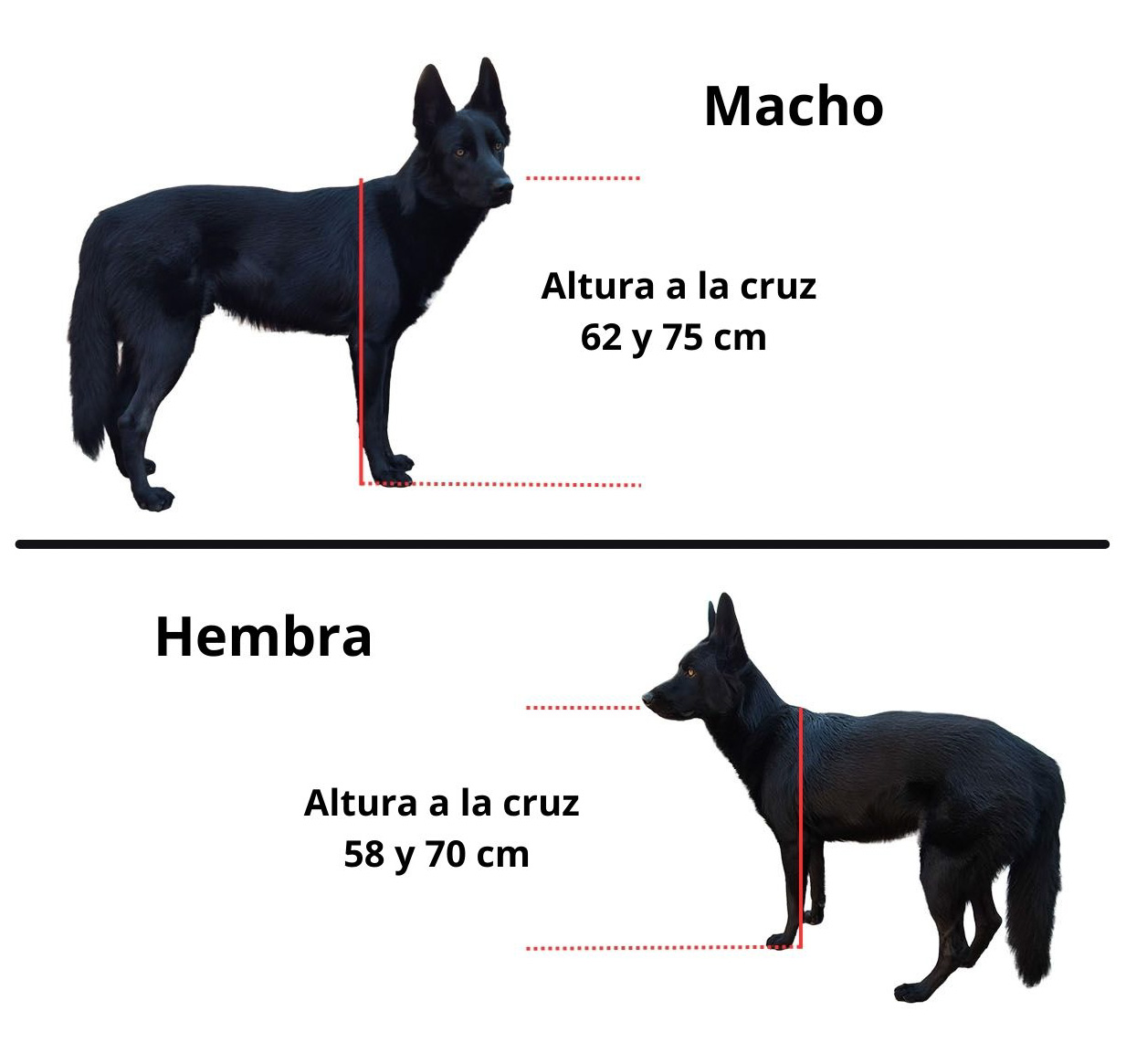
Los machos miden entre 62 y 75 cm a la cruz, mientras que las hembras miden entre 58 y 70 cm a la cruz. Su peso oscila entre los 35 a 45Kg.
Los machos suelen mostrar un aspecto más robusto y masculino.
Apariencia, Colores y Rasgos distintivos
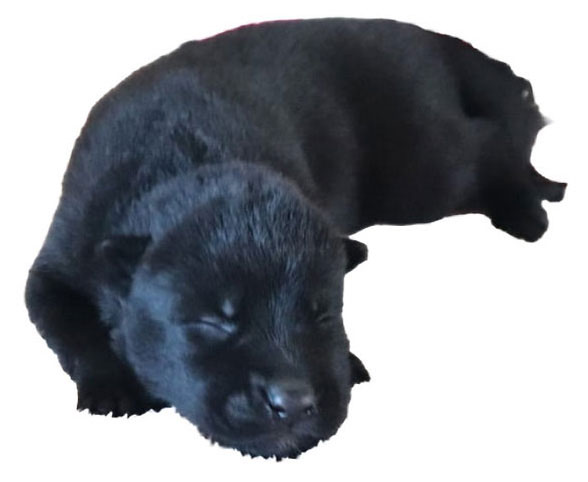
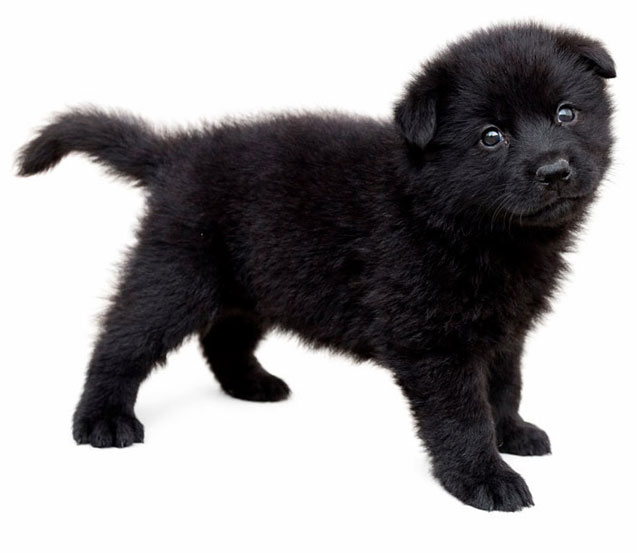
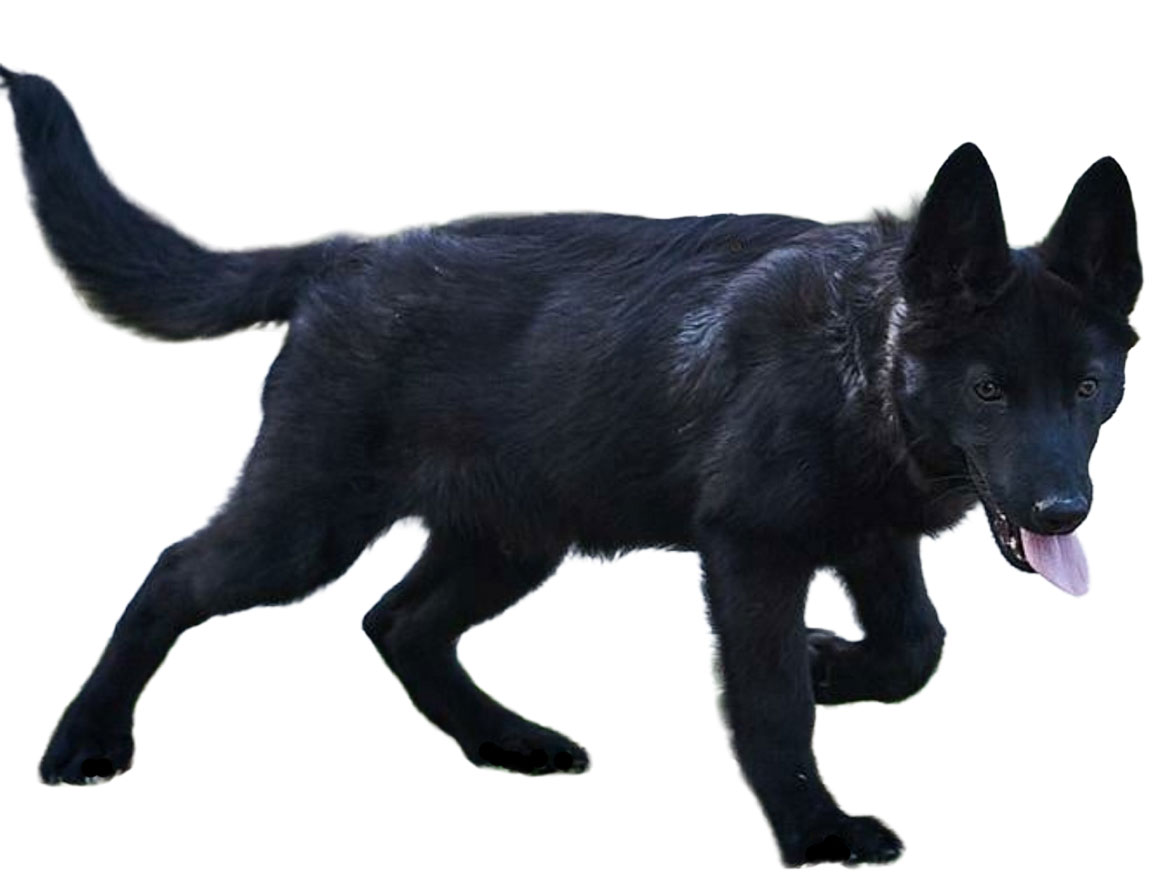
El color estándar debe de ser negro o humo (negro ahumado).
Calupoh color Negro
1 semana1
1 mes
2 a 3 meses2
Adulto3
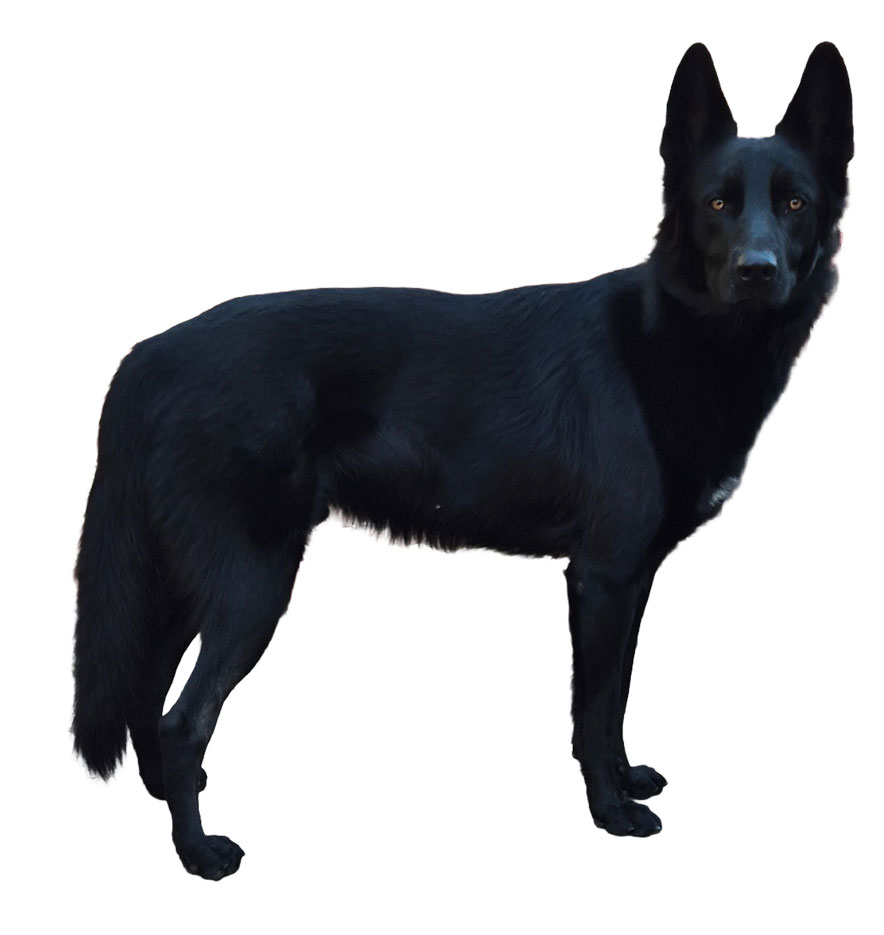
(1) Foto IG de Demona´s Hellhounds (modificada); (2) Foto IG de Jaspe_Calupoh (modificada); (3) Foto de SanseCalupoh (modificada)
Calupoh color Humo
2 a 3 meses4
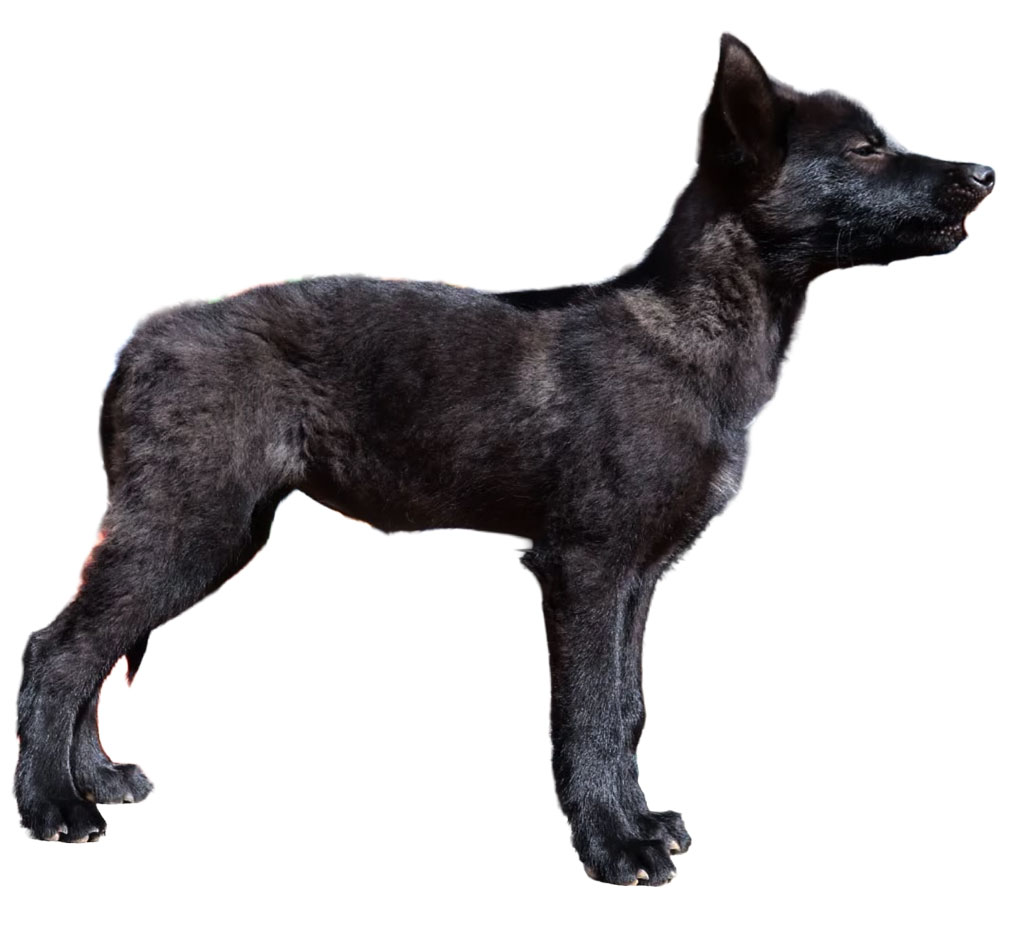
Adulto5
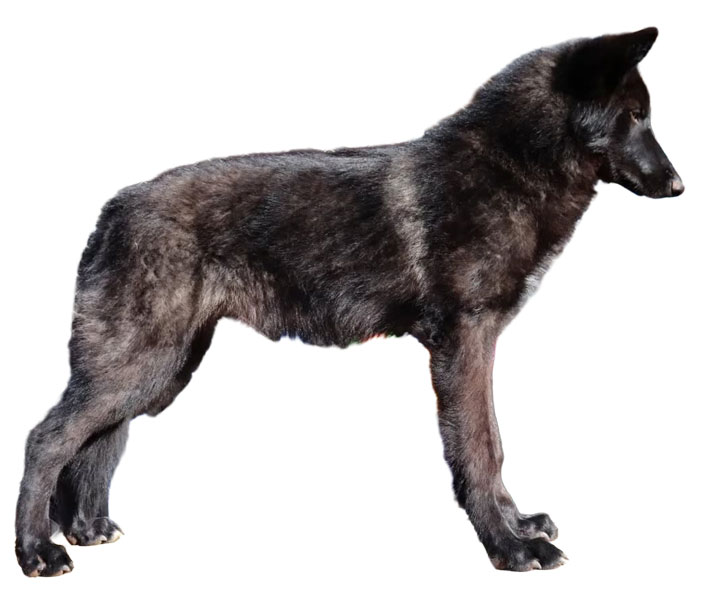
(4,5) Foto IG de Demona´s Hellhounds (modificada)
También puede nacer ejemplares color sable. Aunque este color es aceptado dentro del registro, no es un color deseado dentro de la raza y no está permitido en exposiciones. Debido a ello, no se busca promover la reproducción de ejemplares sable.
Su uso en reproducción solo se recomienda en casos específicos, cuando el ejemplar presenta características sobresalientes y no existe una alternativa negra o humo dentro del programa de crianza.
Calupoh color Sable
1 semana6
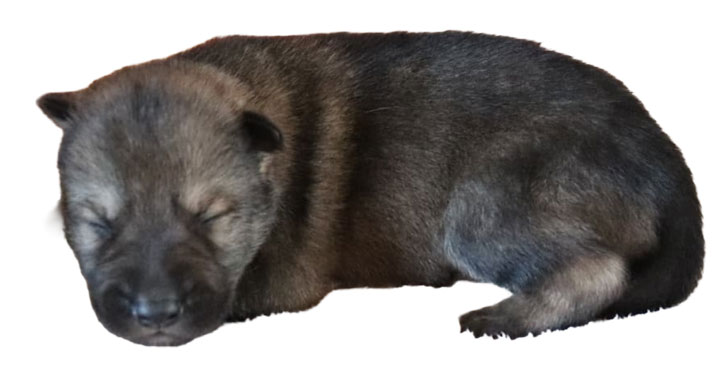
1 mes
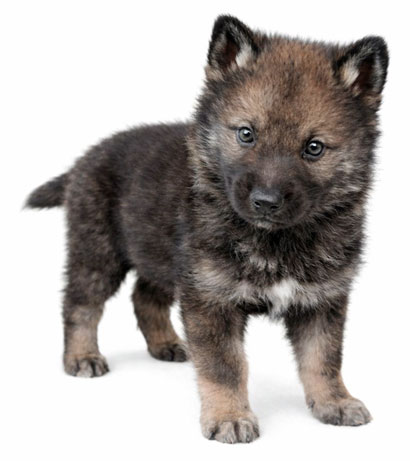
2 a 3 meses7
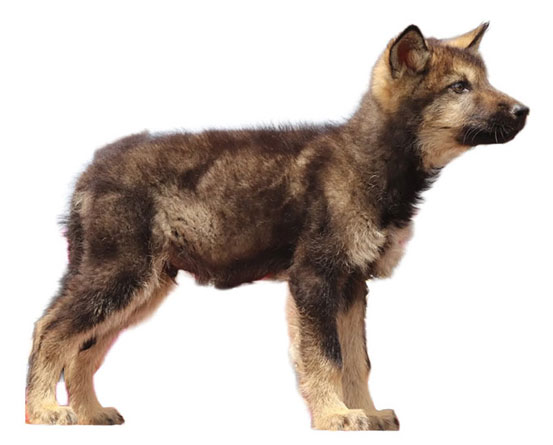
Adulto8
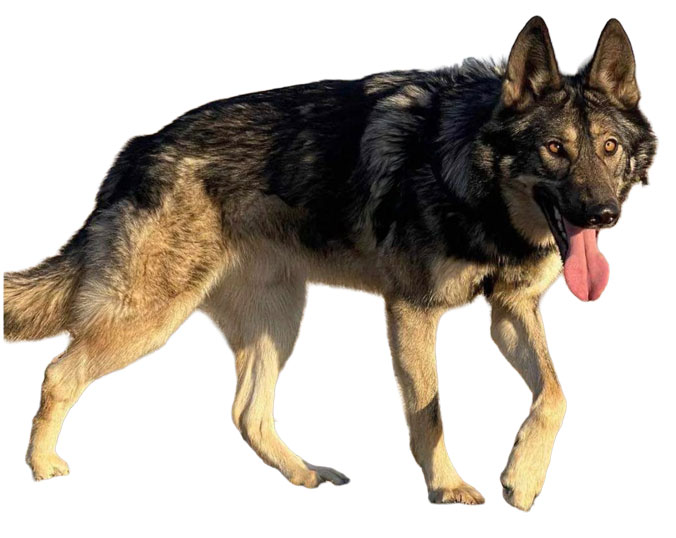
(6, 7, 8) Foto IG de Demona´s Hellhounds (modificada)
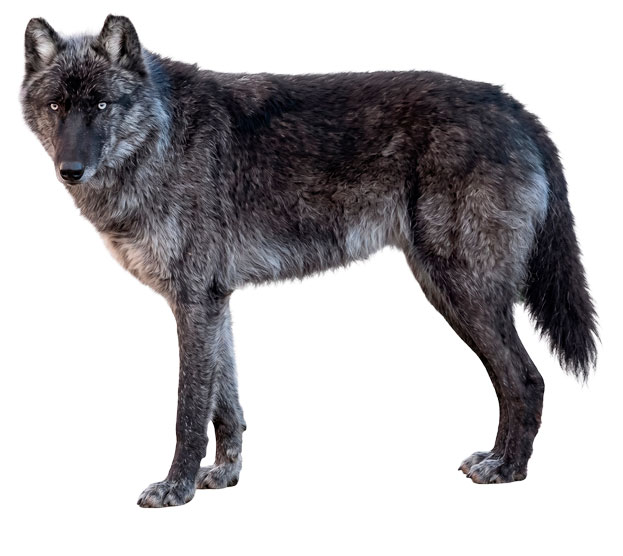
Foto de Ulises Calupoh (modificada)
Al llegar a la adultez, algunos ejemplares adquieren tonalidades plateadas, tal como ocurre con su ancestro el lobo.
Se permiten manchas blancas únicamente en el pecho y patas, pero no en otras partes del cuerpo.
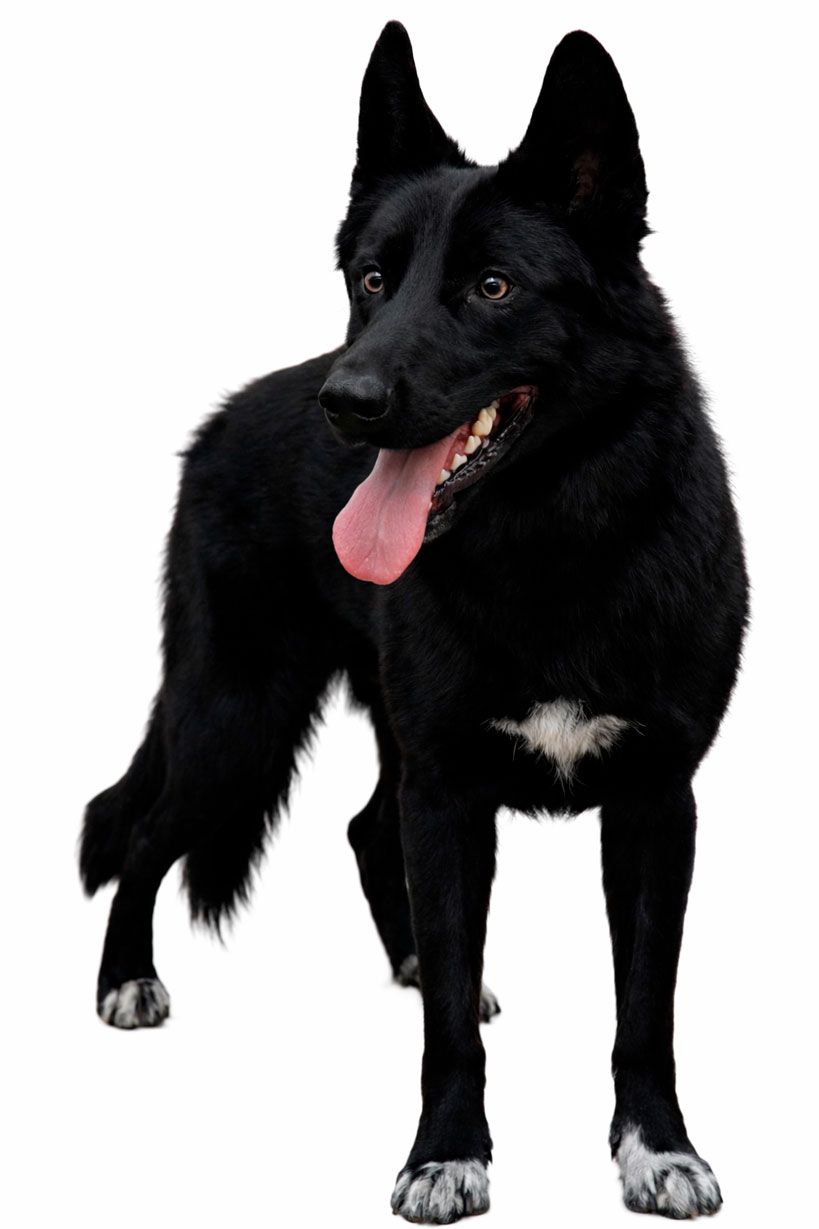
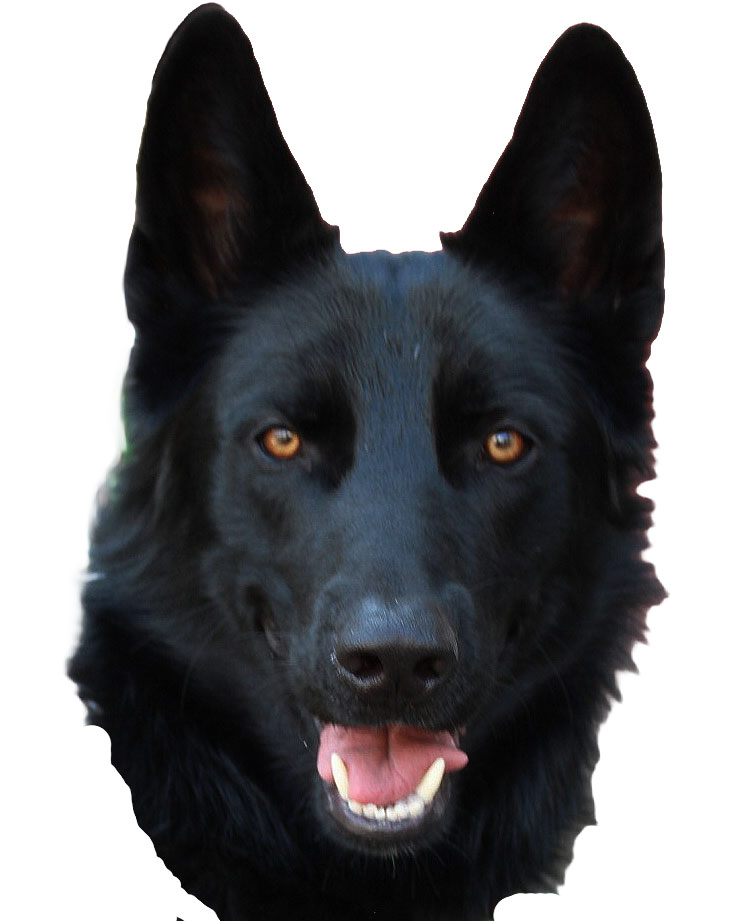
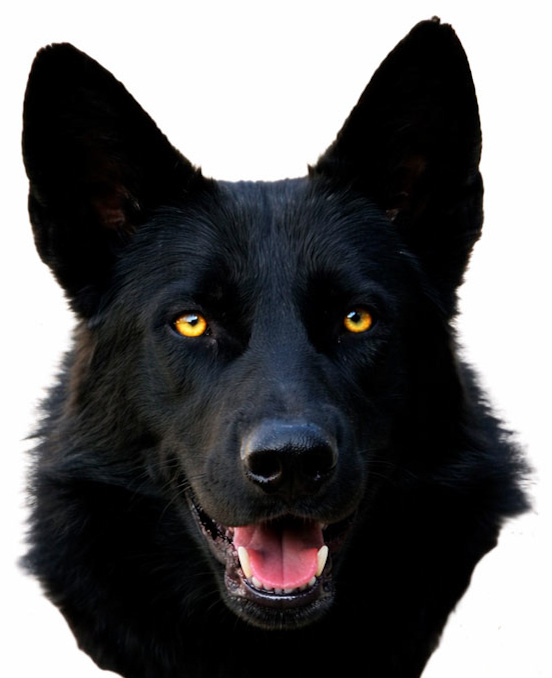
Sus ojos suelen ser amarillos o ámbar, aunque también pueden ser más obscuros debido a su herencia de los perros domésticos.
Color de ojos Ámbar
Color de ojos Amarillos
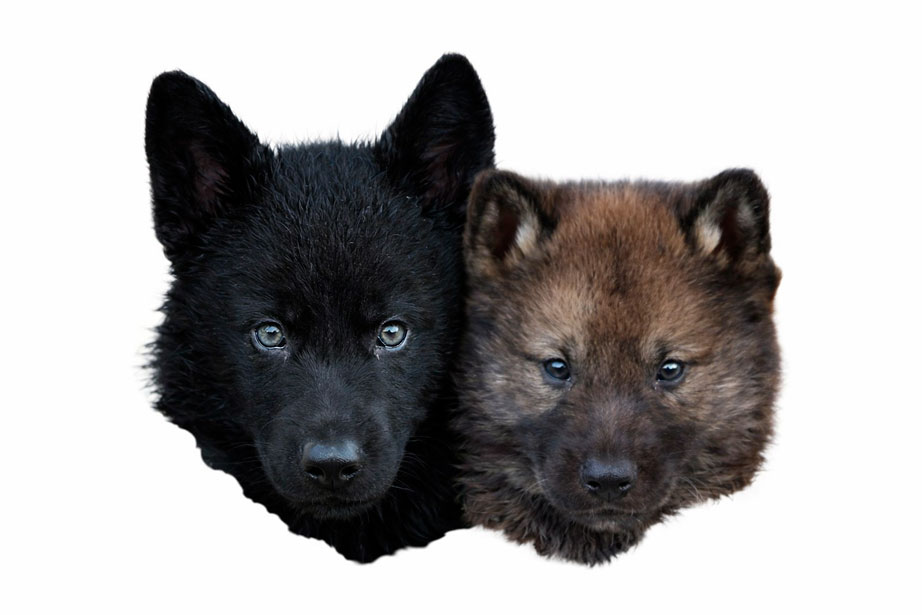
Al nacer, sus ojos son grises, y comienza a cambiar de color alrededor de los 2 meses de edad.
Color de ojos gris de los cachorros de Calupoh
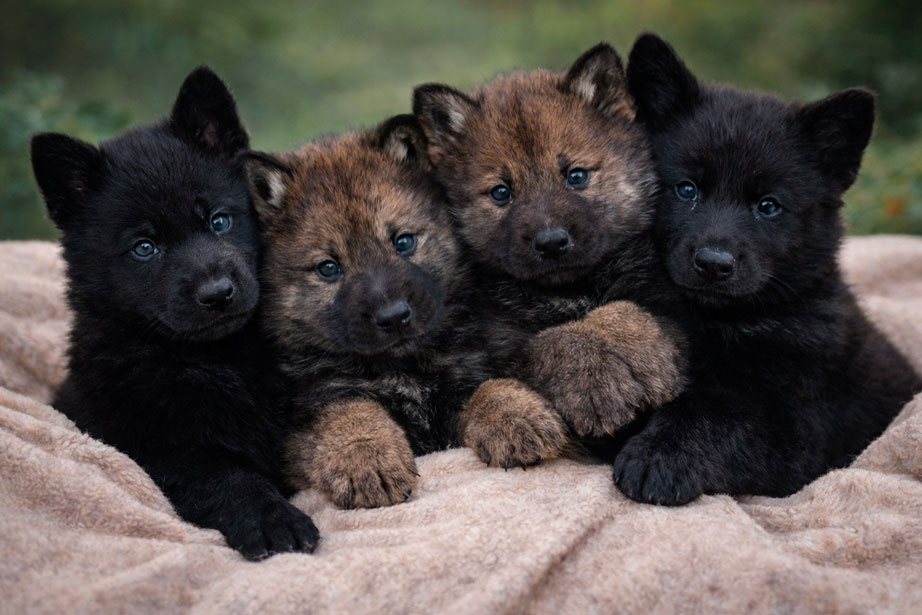
Durante las primeras 3 semana de nacidos, los cachorros parecen ositos.
Energía
El Calupoh pertenece al Grupo 1: Perros de Pastoreo y Boyeros, por lo que tienen una gran capacidad de trabajo.
Es un perro con alta energía, que disfruta de los espacios amplios donde puede correr libremente, explorar y mantenerse activo.
Puede vivir tanto en casa como en departamento, siempre que reciba suficiente ejercicio. Necesita mínimo 2 horas de ejercicio al día, una por la mañana y otra por la tarde, además de estimulación mental.
Crecimiento
El crecimiento del Calupoh es rápido, especialmente durante su primer año de vida.
Durante los primeros 6 a 8 meses, pueden ganar 2 kg o más por semana. El primer año crecen principalmente a lo largo y en altura. Después del primer año, ensancha la caja torácica y ganan volumen muscular. A los 2 años terminan de desarrollarse, aunque algunos ejemplares siguen desarrollándose de manera más lenta hasta los 3 o 4 años.
Alcanza la edad adulta a los 2 años como los lobos.
No es recomendable esterilizarlo antes de los 2 años ya que puede verse afectado su desarrollo físico.
Durante su etapa de crecimiento es normal que se vea más delgado de lo habitual, luego vuelven a ganar volumen. Este ciclo de verse alto y delgado, puede repetirse varias veces mientras alcanza su desarrollo completo.
Pelaje (manto) y Mantenimiento
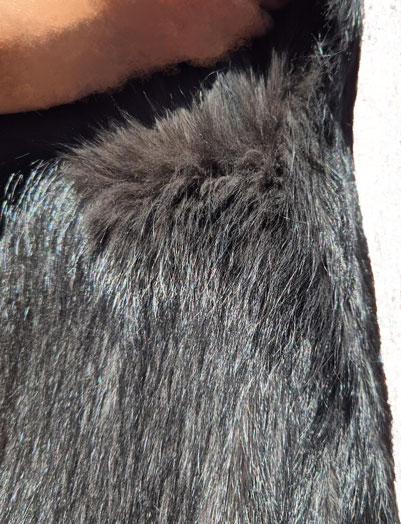
El Calupoh tiene doble capa de pelo(manto): una capa externa áspera que lo protege del clima y una interna suave que regula su temperatura.
Presenta su primer gran cambio de pelaje entre los 2 a 2.5 meses de edad, y el segundo gran cambio de pelaje a los 8 meses de edad.
Cada estación del año tiene una muda abundante, por lo que requieren un poco más de mantenimiento.
En climas fríos, su pelaje es 1cm más largo que en lugares más cálidos.
No requiere cortes de pelo, solo cepillarlo regularmente para mantener su manto sano y libre de nudos, se recomienda cepillarlo cada tercer día.
Capa de pelo externa e interna
Temperamento y Comportamiento
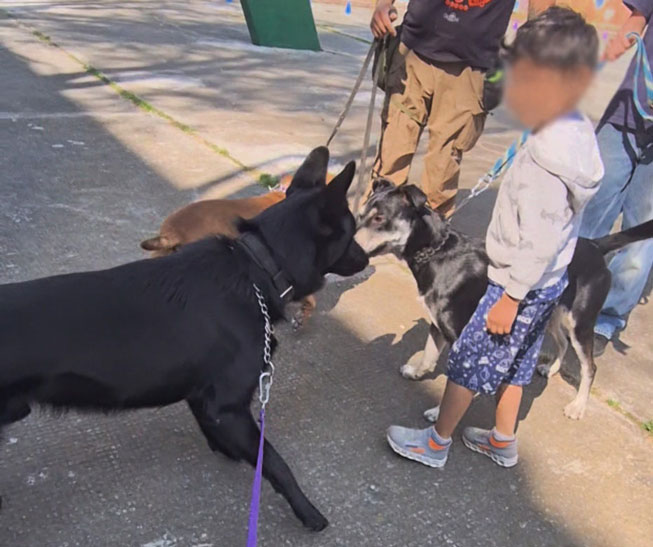
El Calupoh es ágil, dinámico, estable y muy leal. Convive bien con otros perros y con niños, aunque pueden ser tímido y desconfiado con extraños.
Es un perro silencioso, y tiende aullar más que ladrar. En convivencia con otros perros aprende a ladrar.
Es común que disfrute hacer hoyos en el jardín.
En algunas ocasiones, puede esconder su comida para comerla después. Este comportamiento se debe a un instinto natural de resguardo y previsión, propio de su herencia lupina.
Los Calupoh color sable suelen tener un comportamiento más lobuno.
El Calupoh puede convivir con perros y niños.
El Calupoh puede convivir con perros y niños.
El Calupoh puede convivir con perros y niños.
Salud y Esperanza de vida
El Calupoh tiene las mismas necesidades de vacunación y desparasitación que cualquier perro.
Puede llegar a tener displasia de cadera, heredada del pastor alamán, por lo que se recomienda realizar radiografías alrededor de los 8 meses de edad.
Su esperanza de vida es de 15 a 20 años.
Socialización y Educación
La educación del Calupoh requiere paciencia, constancia y cariño.
Debe socializarse desde cachorro para familiarizarse con personas, perros y entornos, ya que suele mostrarse temeroso ante experiencias nuevas.
Si no convive con otros perros en casa, los entrenamientos grupales son una excelente opción.
Cuando es cachorro puede mostrar miedo a salir a pasea. Por lo que se recomienda comenzar de forma gradual:
- Cargarlo mientras se pasea para que conozca la zona.
- Sentarse con él en algún lugar público para que se acostumbre a ruidos y olores.
- Después motivarlo con premios para que salga caminando poco a poco.
Si se tiene más perros, el Calupoh aprenderá el comportamiento de los otros perros y se sentirá más seguro al salir.
Debido a su fuerza, es importante entrenarlo desde temprana edad para evitar accidentes.
Aunque es inteligente y aprende rápido, su terquedad puede requerir más paciencia a la hora de entrenarlo.
Formar un vínculo solido es fundamental. Al llegar a un nuevo hogar será desconfiado; necesita tiempo, juegos, paseos y convivencia para integrarse a su familia.
Es un perro jerárquico, por lo que la claridad y la constancia en las rutinas ayudan a su integración a la familia.
Al principio le va dar miedo salir.
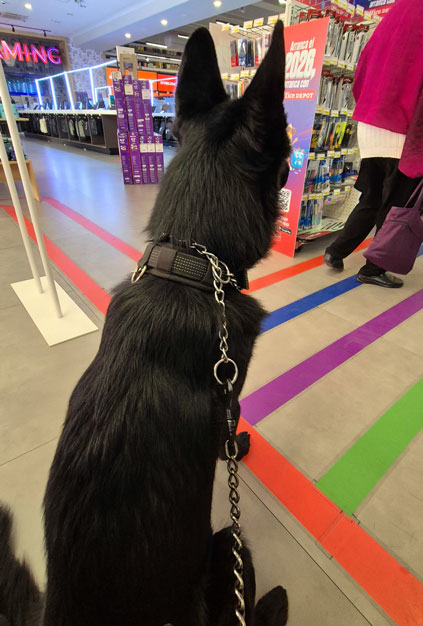
Dada su desconfianza ante nuevas experiencias, es importante que aprenda a socializar en diferentes situaciones.
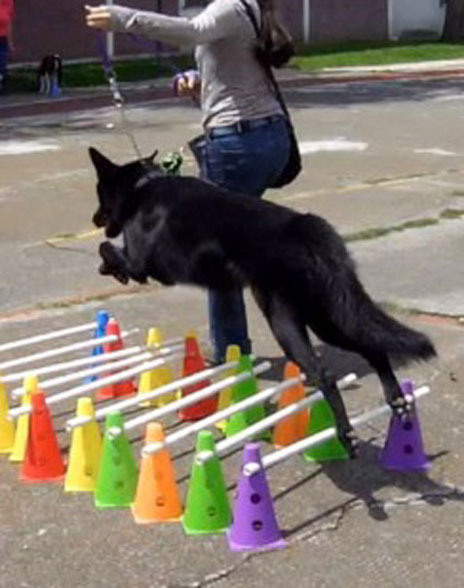
Imagen de Equilibrio Canino (modificada)
Es un perro inteligente que puede aprende trucos y habilidades. Siempre con refuerzo positivo.
Al final, el Calupoh puede ser lo que tú quieras que sea, siempre que le dediques tiempo, atención y paciencia.
Referencia:
Estándar Oficial del Calupoh, Federación Canófila Mexicana (FCM) Ir
Recomendaciones para adquirir un Calupoh
Adquirir un Calupoh es una decisión que debe de tomarse de forma informada y con responsabilidad. Aquí te daremos algunas recomendaciones para que tengas una experiencia positiva para ti como para tu futuro compañero de vida.
Infórmate sobre la raza
Averigua las características, temperamento y necesidades del Calupoh. Comprender su nivel de energía, tamaño y comportamiento te ayudará a determinar si se adapta a tu estilo de vida, espacio y rutinas diarias.
Elige un criador responsable
Busca un criador responsable que sigua criterios estipulados para la cría ética. Esto garantiza un perro sano y con un carácter equilibrado.
Un buen criador:
Habla directamente con el criador
Conócelo en persona o por videollamada. Pregúntale:
Aprovecha para resolver dudas sobre:
Un criador responsable también querrá conocerte: te preguntará sobre tu estilo de vida, tu hogar, tu experiencia con perros y tus planes a futuro.
Esto demuestra su compromiso en que los cachorros que entrega llegan un hogar responsable y consciente de las necesidades de la raza.
Antes de recibir a tu cachorro
En el momento de la entrega
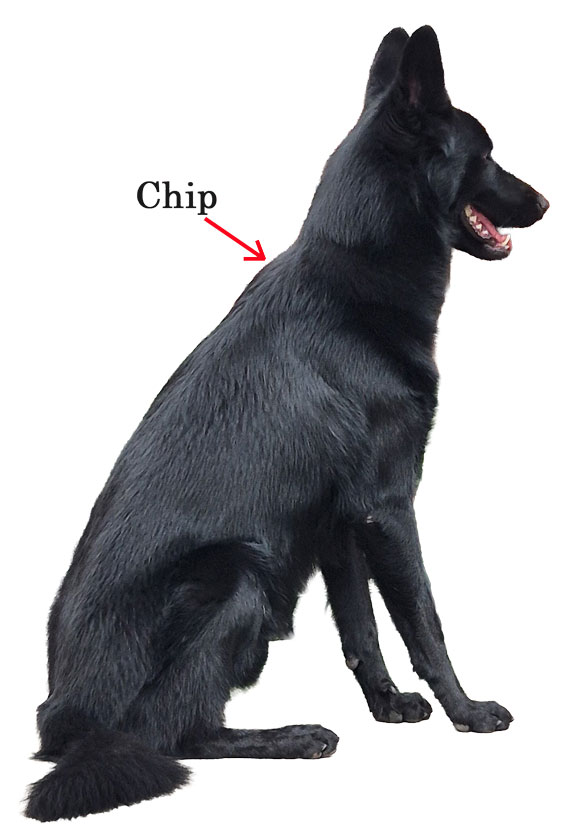
Chip en la parte alta del lomo
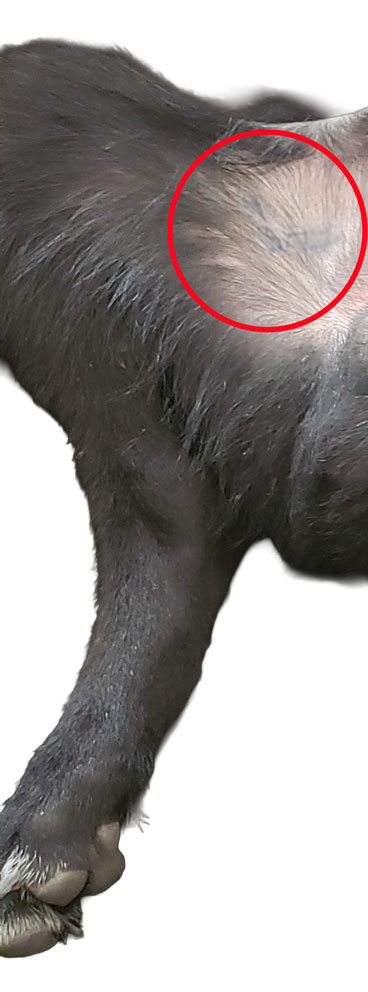
Tatuaje en la ingle (en el caso de México)
** Este documento acredita la propiedad del perro ante la FCM y las autoridades competentes. Si no se hace el cambio de propietario y alguno de los propietarios anteriores quisiera reclamar al ejemplar de manera malintencionada, lo podría hacer, y en ese caso tendrían que aplicarse otras instancias legales para evitarlo. **
Parte frontal del Pedigrí (FCM)
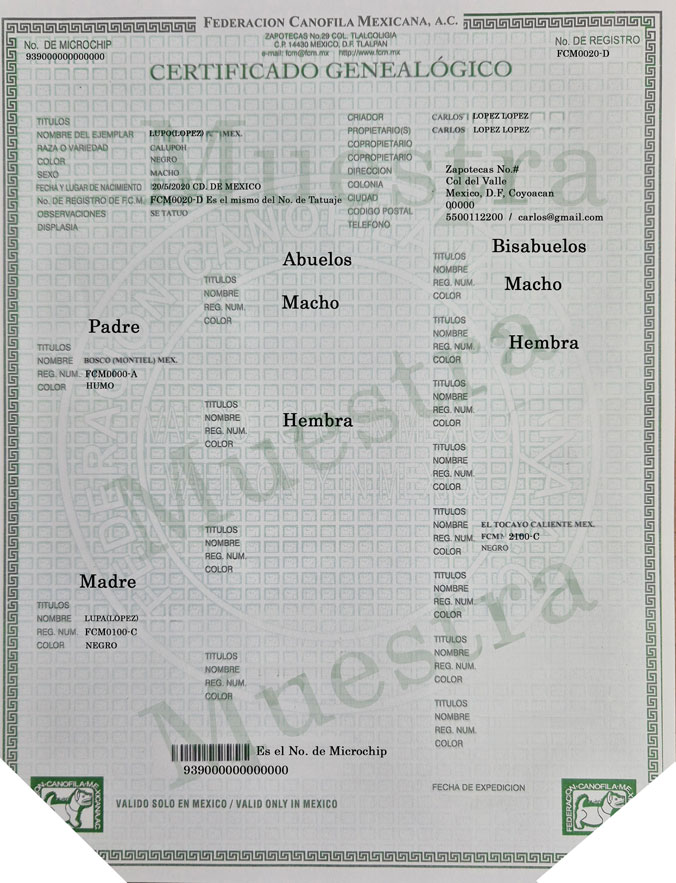
Pedigrí de muestra. En original debe de venir con todos los campos completos.
Apartado de Propietario

Precio justo
El valor de un Calupoh de criadero oscila entre $30,000 y $40,000 MXN (1,500 – 2,000 USD; precios 2026). Sin incluir el costo de envío.
Recuerda que un buen criador invierte tiempo, cuidado y recursos en cada ejemplar, como alimentación, salud, vacunas, exámenes médicos y socialización.
ADVERTENCIA
Si el cachorro no tiene chip, tatuaje y Pedigrí (en México, el tatuaje y pedigrí color verde son obligatorios), y además se ofrece a un precio considerablemente inferior al habitual, es indicador de una estafa o una cría irresponsable.
También debes tener cuidado si el vendedor intenta condicionarte la compra con cláusulas informales, como exigir que después de cierto tiempo regreses al perro para que el criador “pueda hacer uso de él”, por eso la importancia de hacer el cambio de propietario.
El criador sí puede – y es válido que lo haga – interesarse por la salud y el bienestar del cachorro. Eso forma parte de una crianza responsable. Lo que no es aceptable es mantener control sobre el perro mediante acuerdo ambiguos.
En los siguientes enlaces encontrarás información útil para el cambio de propietario en México (en el caso de que vivas en México) y para verificar si tu ejemplar está registrado en la Federación Canófila Mexicana (FCM), en caso de que lo hayas adquirido en México.
Requisitos para el cambio de propietario en la Federación Canófila Mexicana (FCM):
Requisitos para ser socio Federación Canófila Mexicana (FCM):
Verificar si el ejemplar esta registrado en la Federación Canófila Mexicana (FCM):
Alimentación
El Calupoh, fuerte, atlético y de origen ancestral, por lo que su nutrición debe basarse en una dieta rica en proteínas que favorezca su desarrollo físico y mental.
La alimentación ideal es la dieta BARF, basada en carne, huesos, frutas y verduras cocidas. Este tipo de nutrición favorece su desarrollo físico y mental.
El estómago del Calupoh está preparado para digerir carne y huesos crudos, y un adulto puede requiere entre 1 y 1.5 kg de carne al día, según su peso, nivel de actividad y clima. También puede complementarse con frutas y verduras cocidas, además de fuentes de calcio y colágeno, esenciales especialmente durante su crecimiento.
Si se opta por croquetas (pienso), estas deben de ser altas en proteína animal y libres de cereales. Sin embargo, NO sustituyen la carne, que es fundamental para su salud y vitalidad.
NO mezcles BARF y croquetas en la misma comida, ya que tienen distintos tiempos de digestión y puede causar problemas gastrointestinales.
Para conocer toda la información sobre su alimentación, visita la sección de Guía del Tutor del Calupoh, además en nuestro blog en la sección de Recetas encontrarás preparaciones naturales para mantener a tu Calupoh fuerte, sano y feliz.
Este espacio está pensado para quienes desean ir más allá de la apariencia y descubrir la verdadera historia del Calupoh.
Te invitamos a recorrer nuestro sitio, leer nuestro blog y conocer a profundidad el legado de este símbolo vivo de México.