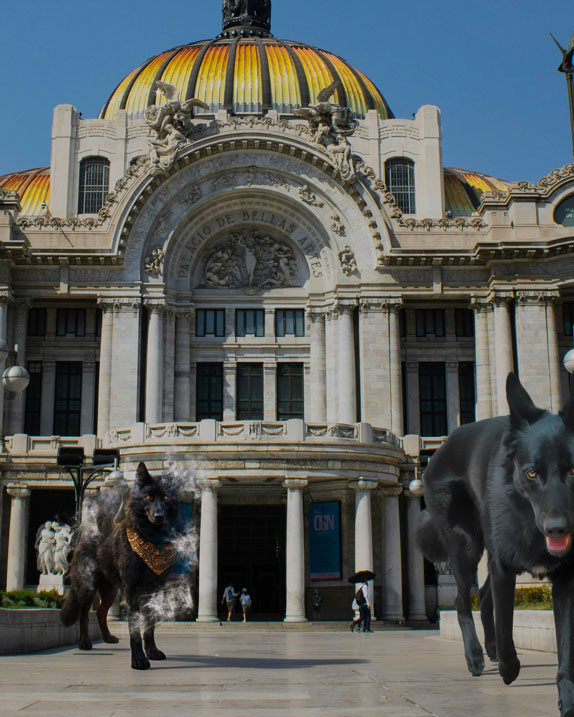
The Calupoh is a Mexican dog breed and the third national breed officially recognized by the Federación Canófila Mexicana, alongside the Xoloitzcuintle and the Chihuahua. The Calupoh emerged as a cultural restoration, an effort to give voice and from once again to a symbol that held deep spiritual and social meaning in ancient Mexico.
The Calupoh is more than a dog; it is a living heritage of Mexico. Born form the revival of ancestral breeding practices rooted in pre-Hispanic Mexico, this breed represents a bridge between the ancient past and contemporary Mexico. Its appearance evokes the wolf, while its temperament has been carefully developed to thrive in modern life without losing its essence.
Today, the Calupoh stand as a symbol of Mexican identity, a modern guardian that walks with the memory of ancient Mexico and a legacy that deserves to be know, understood and preserved.
Calupoh: A Pre-Hispanic Treasure Among Us
Over the centuries, many of the dogs that were part of pre-Hispanic Mexico disappeared. While it was no longer possible to recover the exact genetics of those early loberros, it remained possible to revive the ancestral breeding technique and the symbolism behind them.
Thus, the Calupoh project was born, promoted by Jorge Hank Rohn and developed by veterinarian Ricardo Forastieri. The name of the new breed derives from Canis lupus (wolf), Canis lupus familiaris (dog), and the letter “h” as a tribute to the Hank surname.
The objective was to carry out a cultural restoration of the ancestral breeding method and refine it, creating a stable, healthy dog deeply connected to Mexican identity. The wolf´s back coat – according to genetic research conducted by Stanford University and University of California originates from a mutation first found in domestic dogs and later introduce into wolves through natural hybridization. This mutation not only reinforced the connection to those hybridizations that occurred in the Americas, but also provided greater resistance to canine distemper in wolves carrying this genetic variant.
The development of the Calupoh began in the 1990s with a controlled cross between the gray wolf and the German Shepherd, carefully selected for temperament and functionality. From that point forward, the project advanced over more than two decades under rigorous supervision, including clinical and genetic studies conducted on offspring from seven distinct family lines across eight generations, in order to meet international standards established by Fédération Cynologique Internationale (FCI).
This sustained effort culminated in August 2016, when the Federación Canófila Mexicana (FCM) officially recognized the Calupoh as third Mexican breed, alongside the Xoloitzcuintle and the Chihuahua, following the presentation of 1,551 registered dogs with complete genealogies, being one of the steps toward recognition by the FCI.
By the end of 2024, the breed also obtained registration recognition from the American Kennel Club (AKC), officially opening the Calupoh studbook within the organization.
Later, in 2025, the breed received international recognition from the Alliance Canine Worldwide (ACW). Through this recognition, dogs may obtain an international pedigree in countries affiliated with or recognized by the organization. In Mexico, Cinología México Internacional (CMI) serves as the official representative institution of the ACW.
What once began as a hybrid ultimately became a pure breed, defined by stable temperament and clearly established characteristics.
Despite its imposing appearance, the Calupoh is a noble, loyal, and balanced companion that continues to demonstrate increasing adaptability each year, establishing itself as a versatile family dog capable of engaging in diverse activities.
References:
Valadez et al. (2002). Híbridos de Lobos y perros en cuevas teotihuacanas. Crónica de un descubrimiento Ir
Urenda, Giovanny, (2023, 18 de agosto). El Calupoh, la tercera raza de perro mexicana con orígenes prehispánicos. El sol de México Ir
Information on the Calupoh´s national and international recognition processes provided by Andrés Altamira, breeding manager at Criadero Caliente and member of Cinología México Internacional.
A Living Legacy
The Calupoh is far more than a recently recognized breed; it is a bridge between pre-Hispanic Mexico and present, a reminder of the cultural greatness that lives within our history and now walks beside us.
It represents the cultural and historical values of Mexico, a legacy that transcends generations. A living ambassador, it honors Mexican identity and keeps alive the memory of the sacred animals that once accompanied our ancestors.
To learn more about its history, we invite you to visit our Blog.

¿What Is a Calupoh Like?
The Calupoh is a large, elegant, and powerful breed whose appearance resembles that of a wolf. Despite its imposing presence, it is a noble and proactive companion to its family.
Characteristics
Size
The Calupoh has an athletic, well-balanced, and functional build.
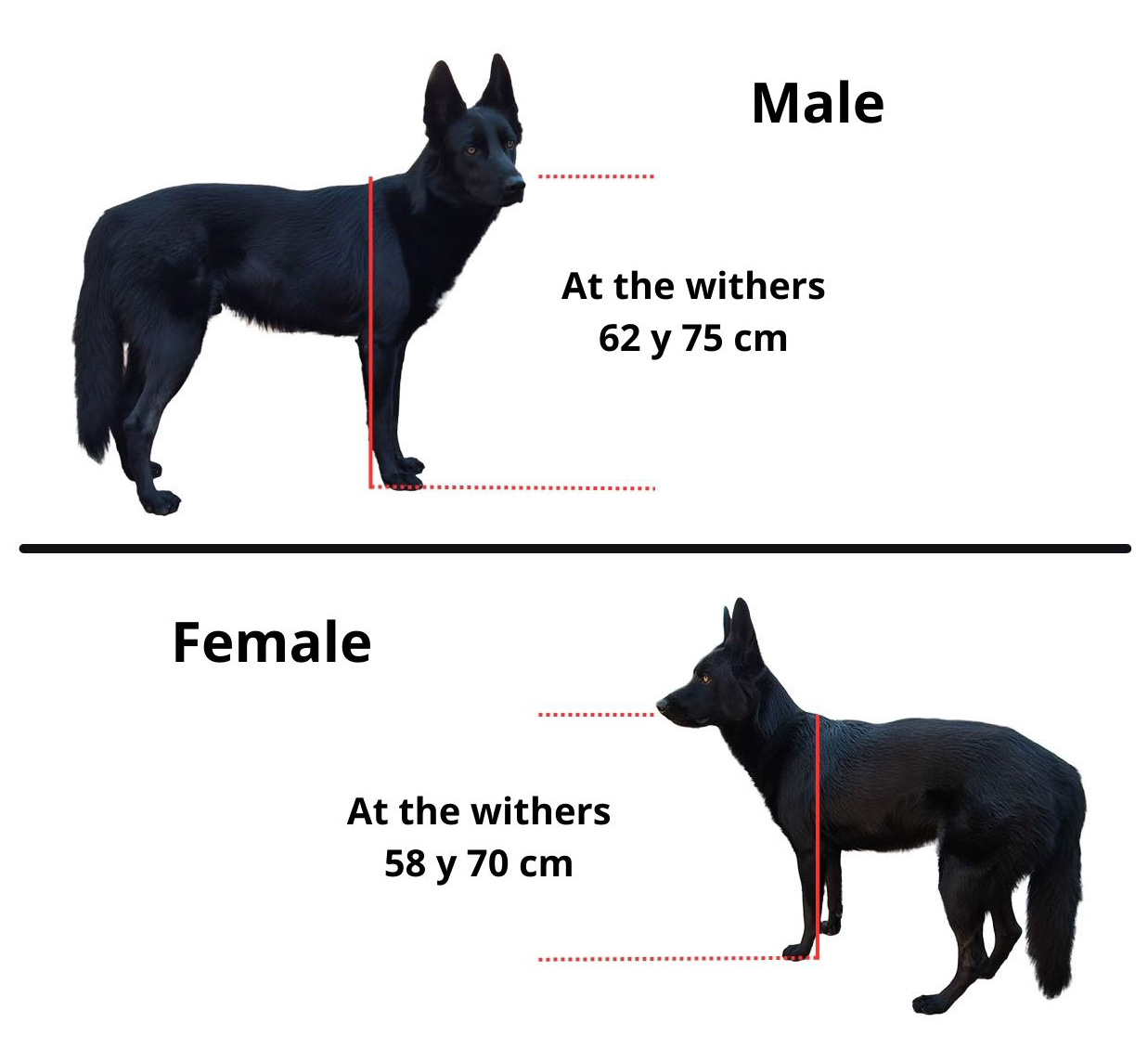
Males stand between 62 to 75 cm (24-29.5 in) at the withers, while females measure between 58 to 70 cm (23-27.5 in) at the withers. Their weight ranges from 35 to 45 kg (77-99 lbs).
Males typically display a more robust and masculine appearance.
Appearance, Colors, and Distinctive Traits
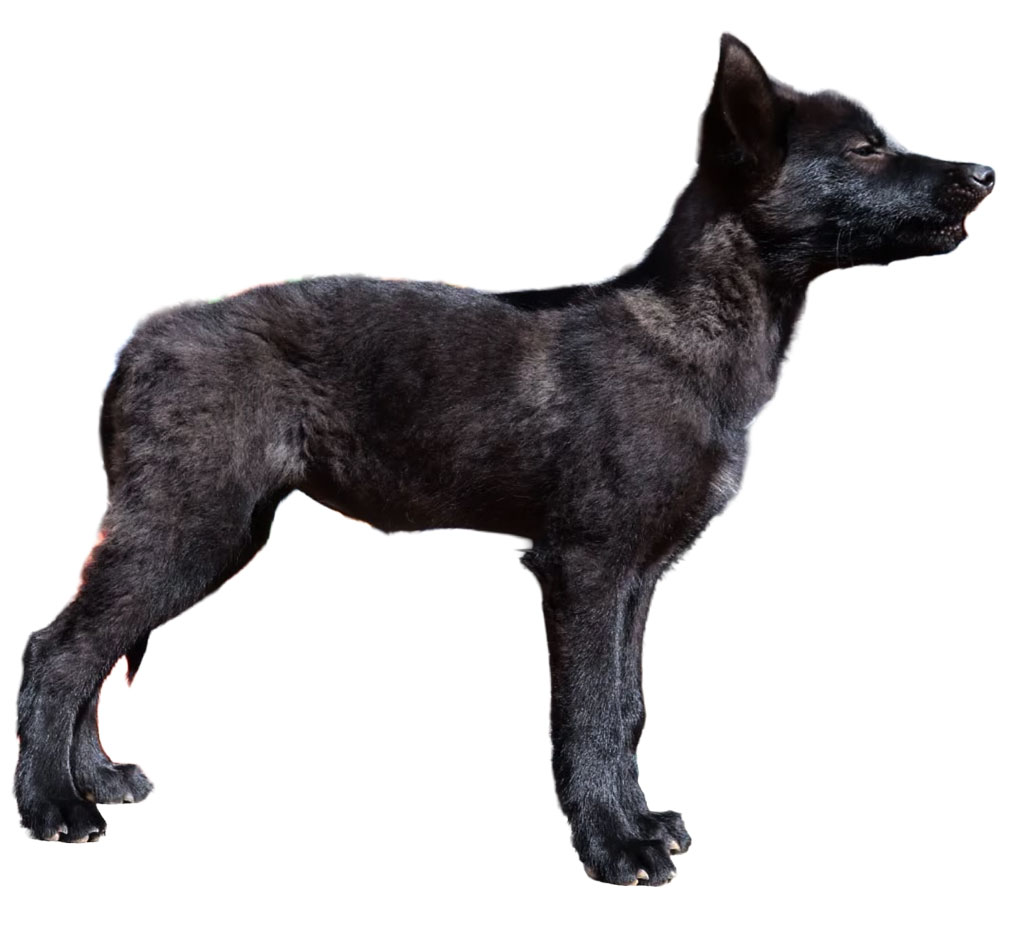
The standard coat color must be black or smoke (smoky black).
Black Calupoh
1 week1
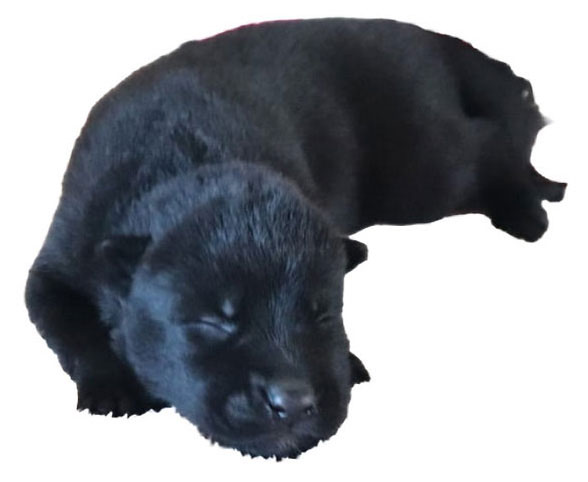
1 month
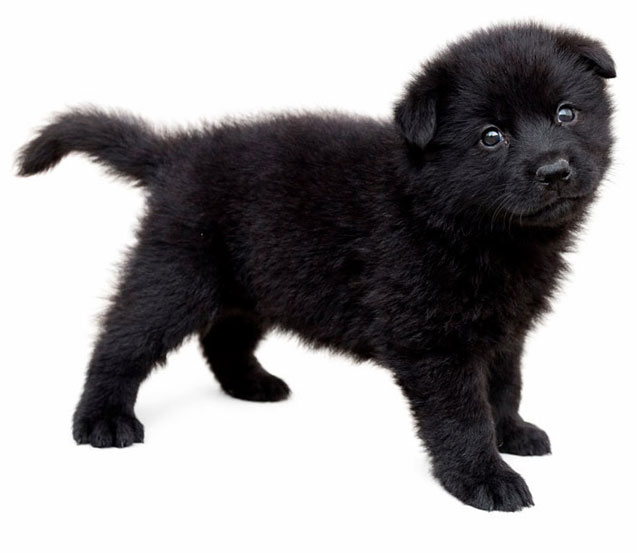
2 to 3 months2
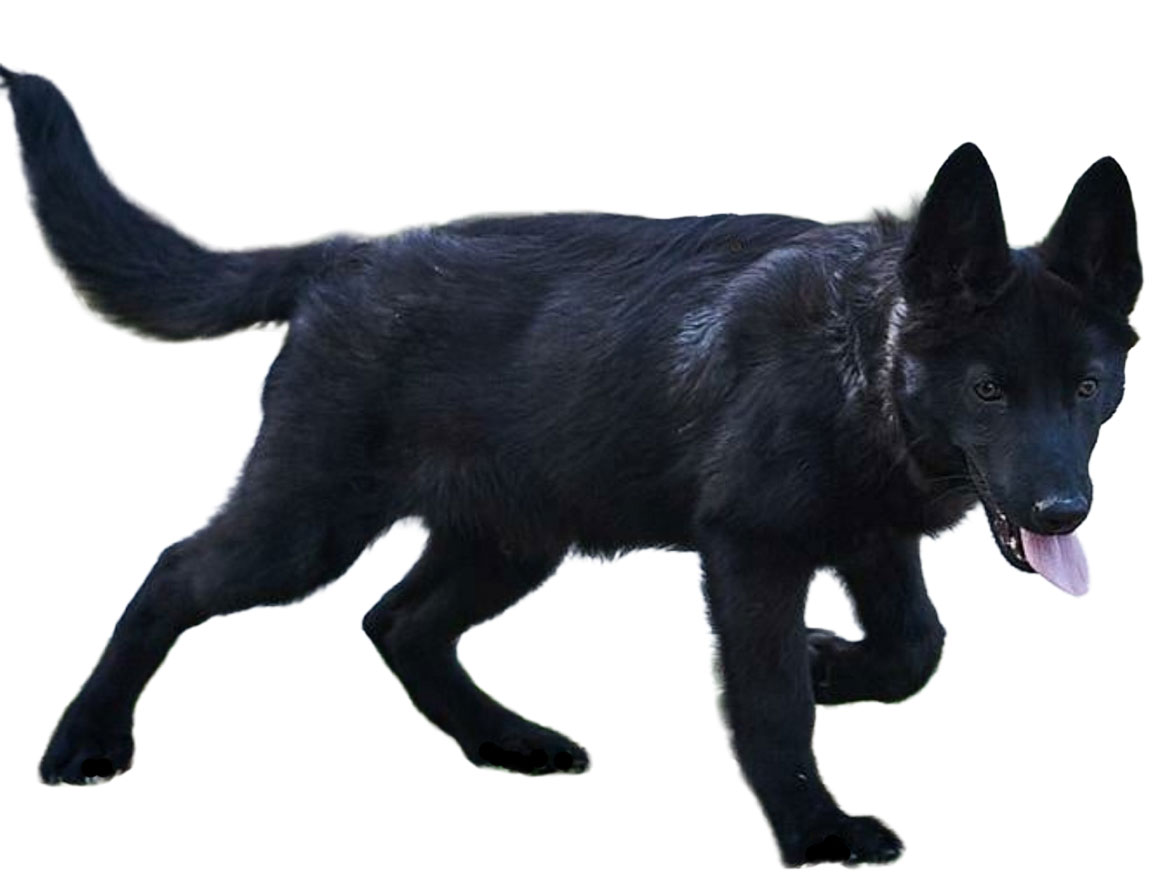
Adult3
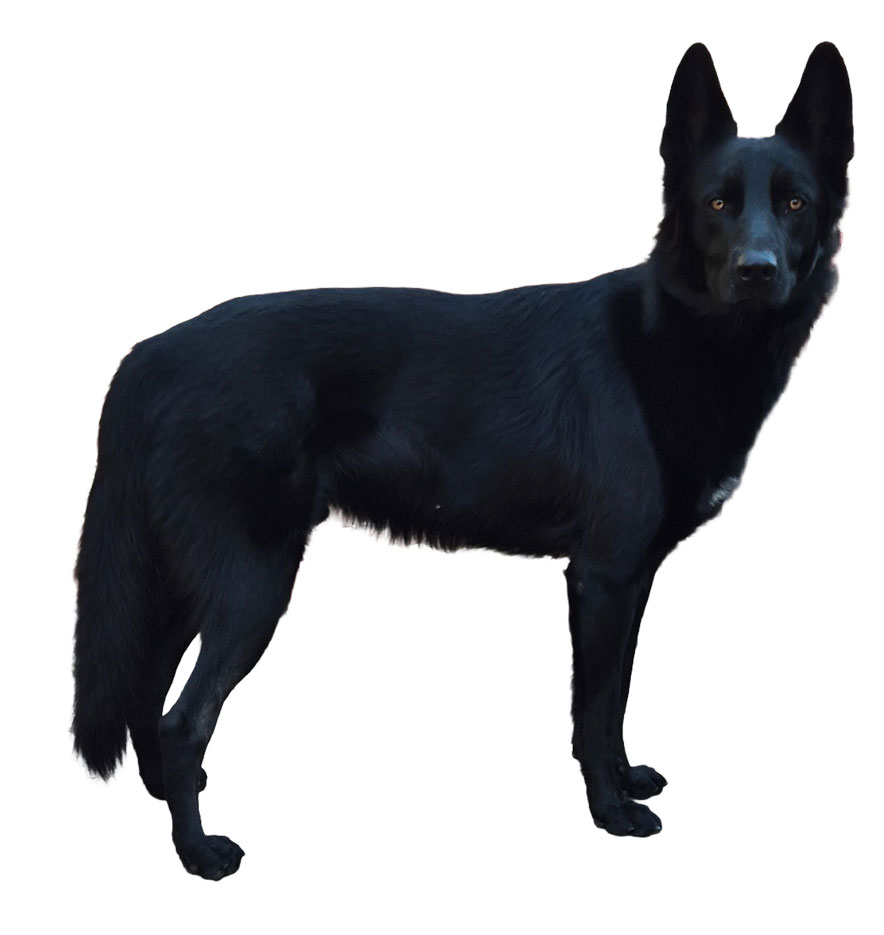
(1) IG photo from Demona´s Hellhounds (edited); (2) IG photo from Jaspe_Calupoh (edited); (3) photo from SanseCalupoh (edited)
Smoke Calupoh
2 to 3 months4
Adult5
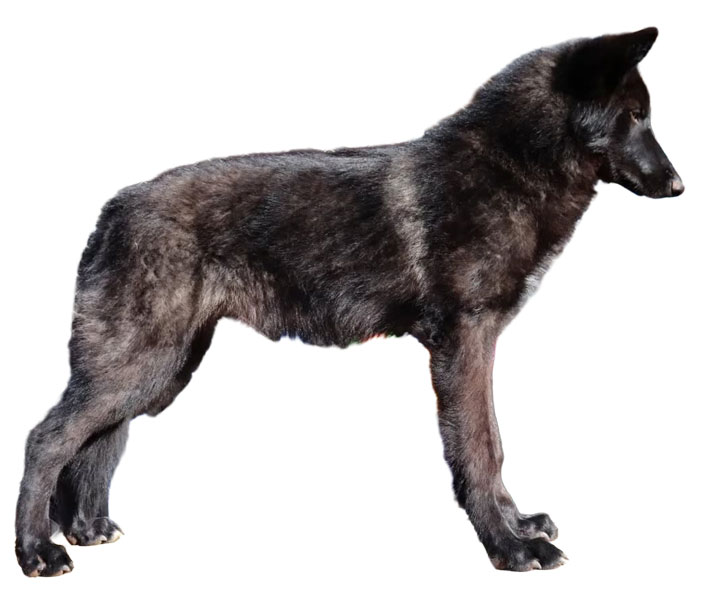
(4, 5) IG photo from Demona´s Hellhounds (edited)
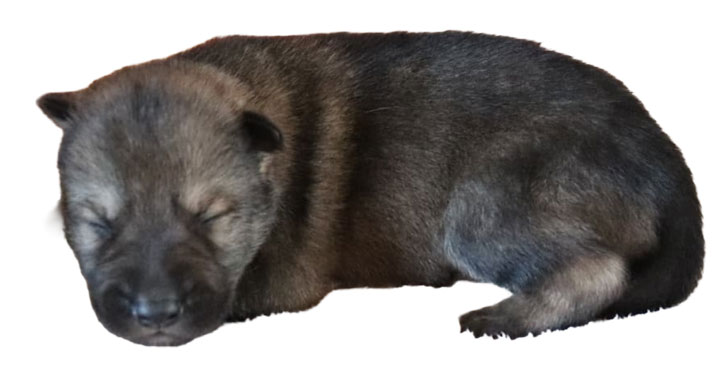
Sable-colored dogs can also be born. Although this color is accepted within the registry, it is not considered a desirable color within the breed and is not permitted in dog shows. Because of this, the breeding of sable-colored dogs is not encouraged.
Their use in breeding is only recommended in specific cases, when the dog displays outstanding qualities and there is no black o smoke-colored alternative within the breeding program.
Sable Calupoh
1 week6
1 month
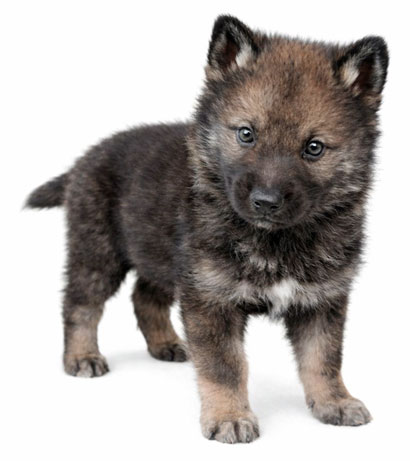
2 to 3 months7
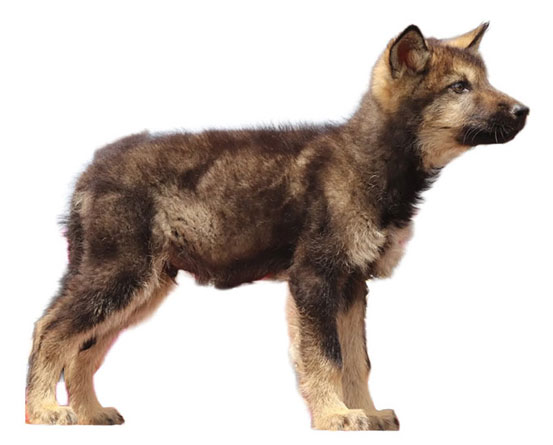
Adult8
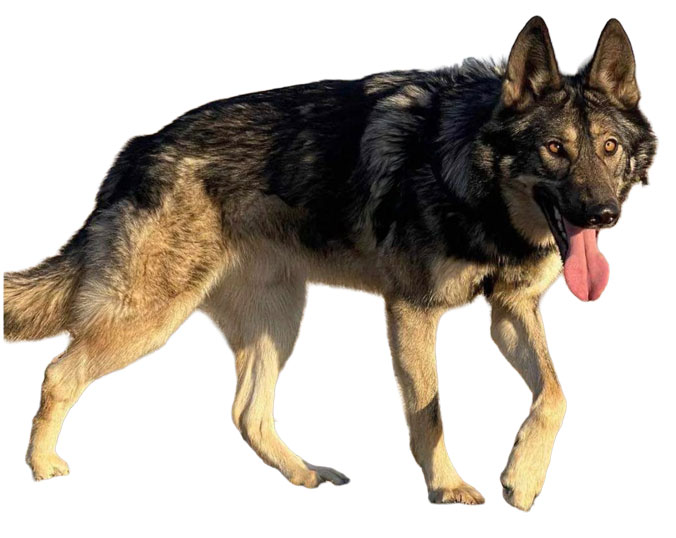
(6, 7, 8) IG photo from Demona´s Hellhounds (edited)
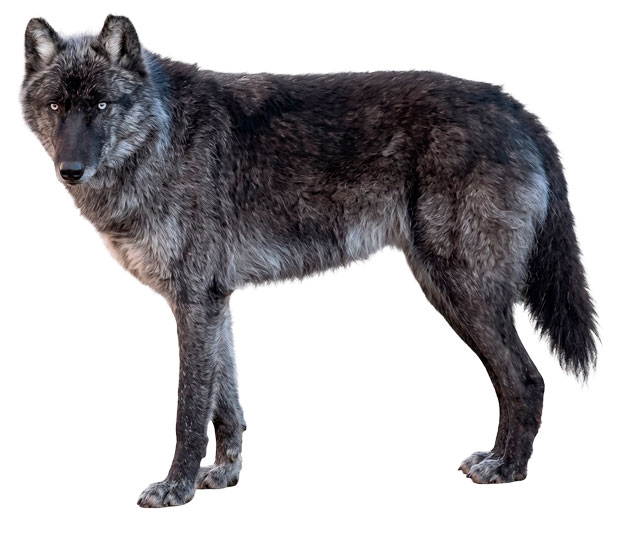
photo from Ulises Calupoh (edited)
Upon reaching adulthood, some specimens develop silver tones, similar to their ancestor, the wolf.
White markings are permitted only on the chest and paws, but not on other parts of the body.
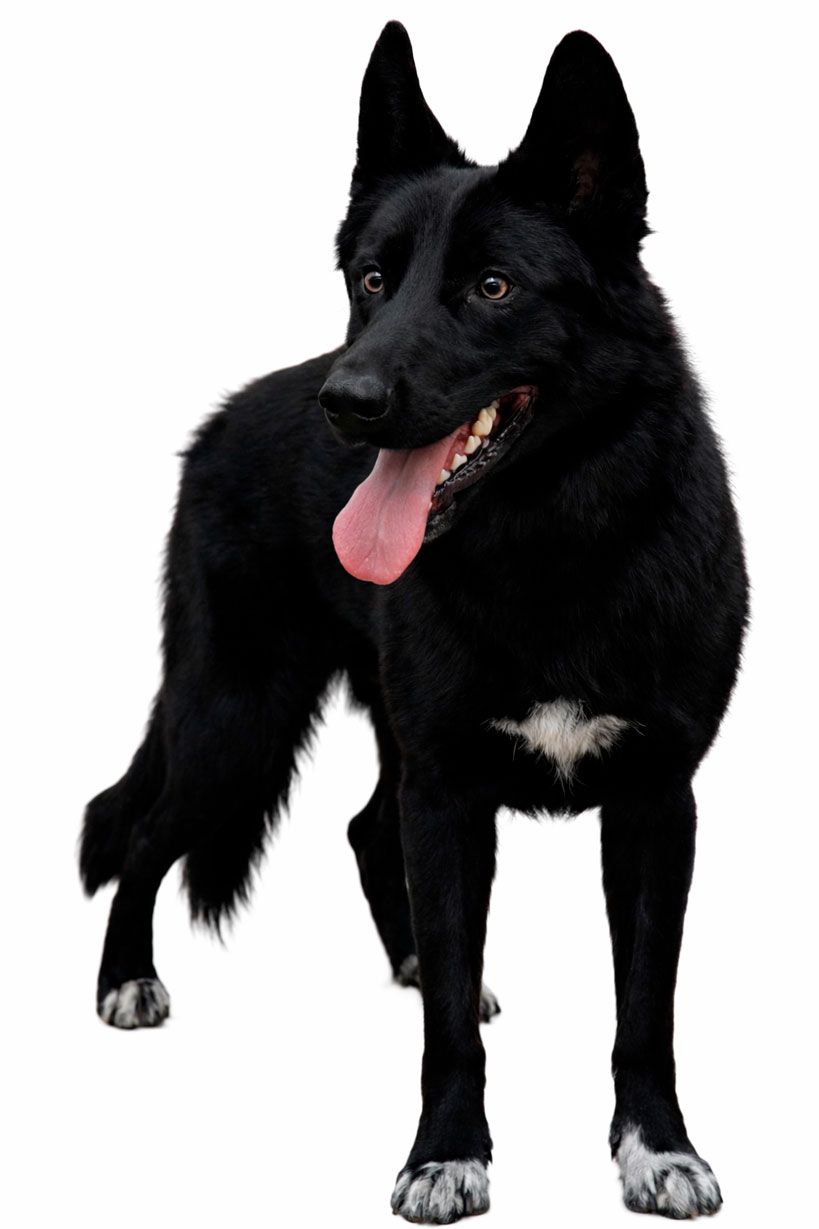
Their eyes are typically yellow or amber, though they may be darker due to their domestic dog heritage.
Amber eye color
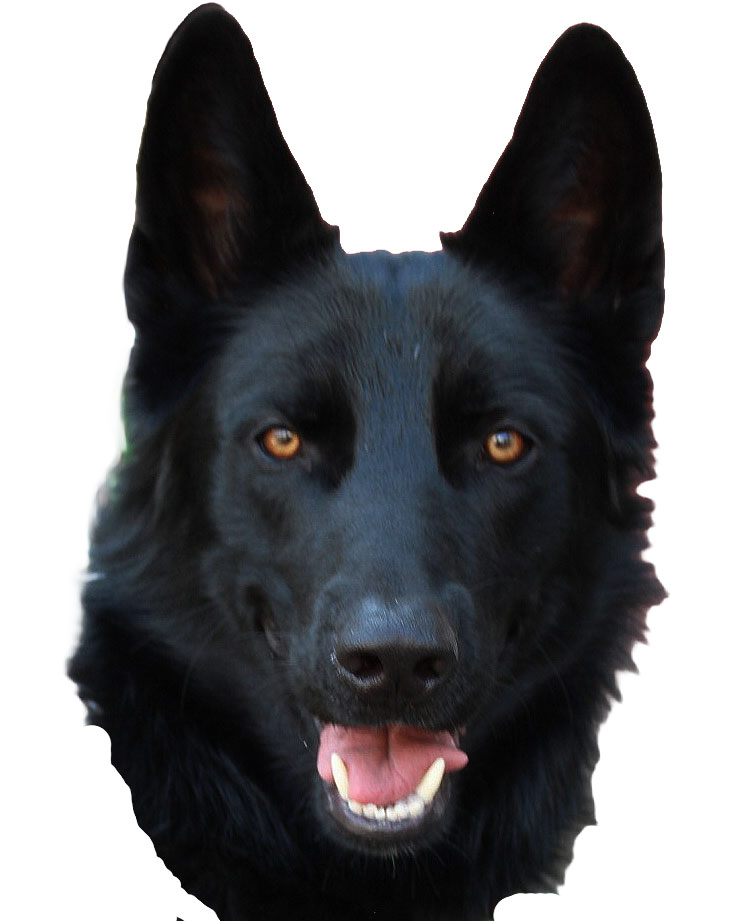
Yellow eye color
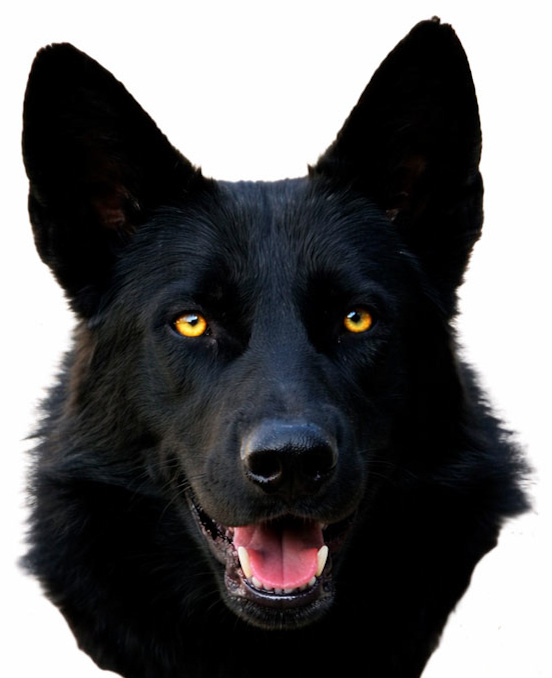
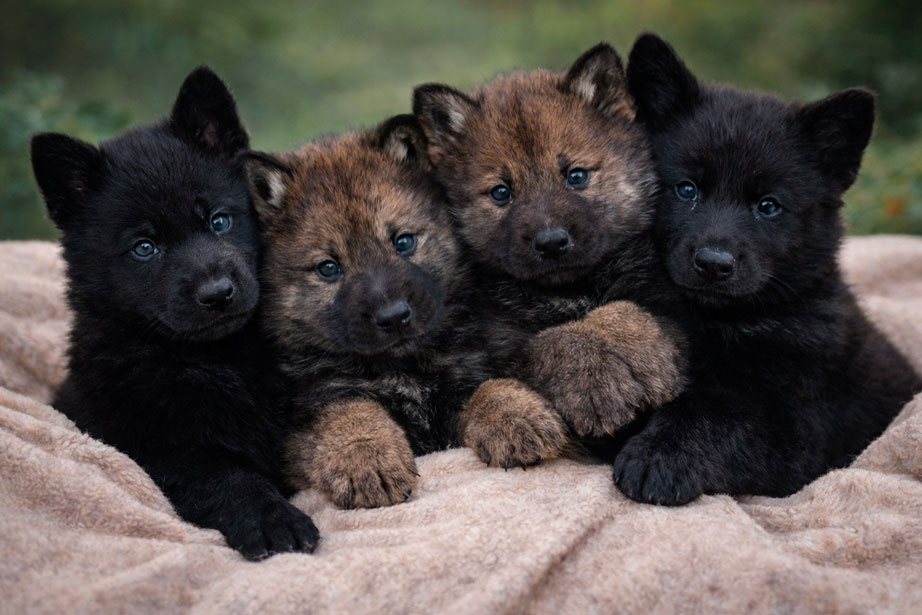
At birth, they are gray and begin changing color around two months of age.
Gray eye color in Calupoh puppies
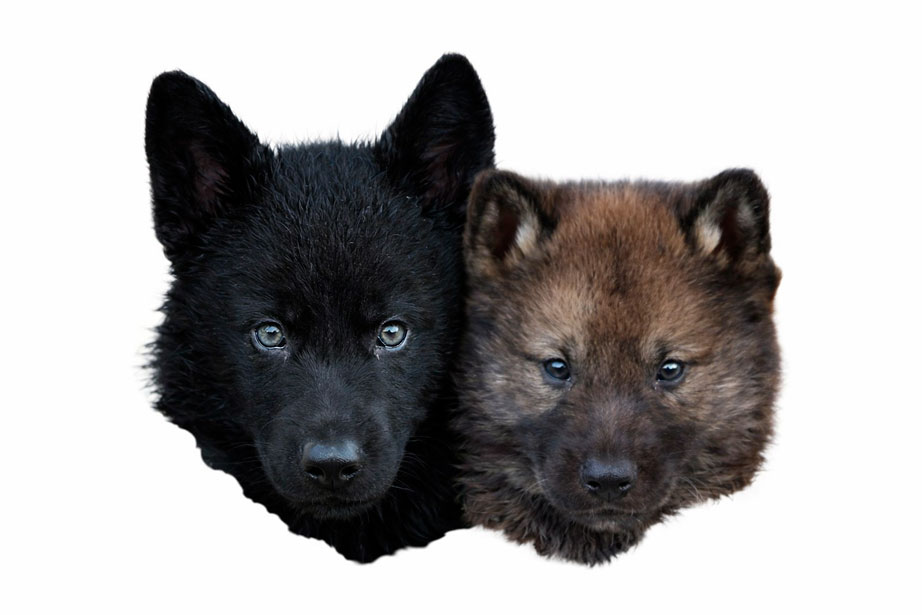
During their first three weeks of life, the puppies look like tiny little bears.
Energy
The Calupoh belongs to Group 1: Sheepdogs and Cattle Dogs, and possesses a strong working capacity.
It is a high-energy dog that thrives in open spaces where it can run freely, explore, and remain active.
It can live in a house or an apartment, provided it receives sufficient exercise. It requires a minimum of two hours of daily exercise, one in the morning and one in the afternoon, in addition to mental stimulation.
Growth
The Calupoh grows rapidly, especially during its first year of life.
During the first 6 to 8 months, puppies may gain 2 kg (4.4 lbs) or more per week. In the first years, they grow primarily in length and height. After the first year, the chest broadens and muscle mass increases. They reach full development at around two years of age, although some individuals may continue developing more gradually until 3 or 4 years old.
Like wolves, they reach adulthood at 2 years of age.
It is not recommended to spay or neuter before the age of two, as physical development may be affected.
During growth stage, it is normal for them to appear leaner than usual; they will later regain volume. This cycle of appearing tall and slender may repeat several times until full development is achieved.
Coat and Maintenance
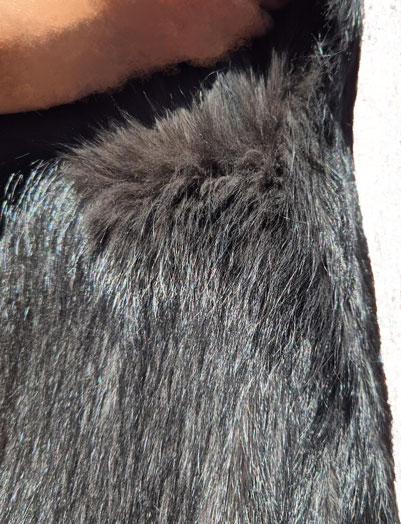
The Calupoh has a double coat; a coarse outer layer that protects against weather and a soft inner layer that regulates temperature.
The first major coat change occurs between 2 to 2.5 months of age, and the second around 8 months.
They shed heavily with each seasonal change, requiring additional maintenance during those periods.
In colder climates, their coat grows approximately 1 cm longer than in warmer regions.
Haircuts are not required, regular brushing is sufficient to keep the coat healthy and free to tangles, brushing every third day is recommended.
Outer and inner coat layers
Temperament and Behavior
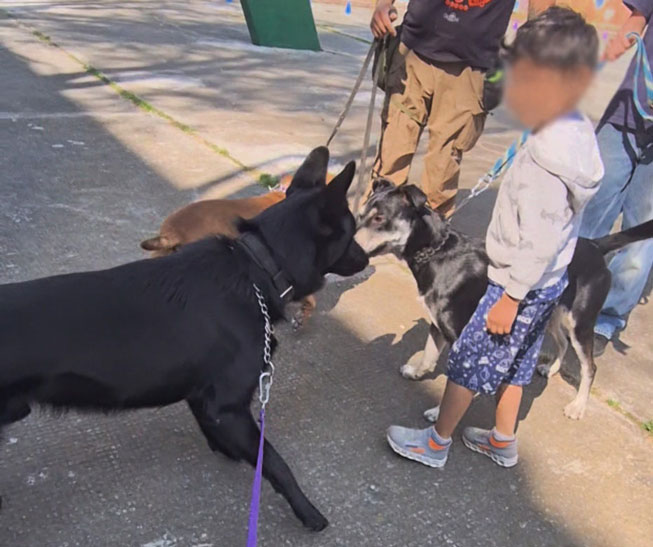
The Calupoh is agile, dynamic, stable, and deeply loyal. It coexists well with other dogs and with children, though it may be shy and wary of strangers.
It is generally a quiet dog, and tends to howl more than bark. When living alongside other dogs, it may learn to bark.
It commonly enjoys digging holes in the garden.
In some cases, it may hide its food to eat later. This behavior comes from a natural instinct for save food and foresight, inherited from its wolf ancestry.
Sable colored Calupohs often display more wolf-like behavior.
The Calupoh can live alongside dogs and children.
The Calupoh can live alongside dogs and children.
The Calupoh can live alongside dogs and children.
Health and Life Expectancy
The Calupoh requires the same vaccinations and deworming schedule as any other dog.
It may develop hip dysplasia, inherited from the German Shepherd, so hip X-rays around eight months of age are recommended.
Life expectancy ranges from 15 to 20 years.
Socialization and Education
Training a Calupoh requires patience, consistency, and affection.
It should be socialized from puppyhood to become familiar with people, dogs, and different environments, as it is often fearful of new experiences.
If it does not live with other dogs at home, group training sessions are an excellent option.
As puppies, they may show fear of going outside for walk. A gradual approach is recommended:
- Carry them during short walks so they can observe the surroundings.
- Carry them during short walks so they can observe the surroundings.
- Gradually encourage them to walk using treats and positive reinforcement.
If there are other dogs at home, the Calupoh will learn from their behavior and feel more confident.
Due to its strength, early training is important to prevent accidents.
Although intelligent and quick to learn, their stubborn streak may require extra patience during training.
Building a strong bond is fundamental. When arriving at a new home, they may be distrustful; they need time, play, walks, and shared experiences to integrate fully into the family.
They are hierarchical by nature, so clarity and consistency in routines support successful integration.
At first, it will be afraid to go outside.
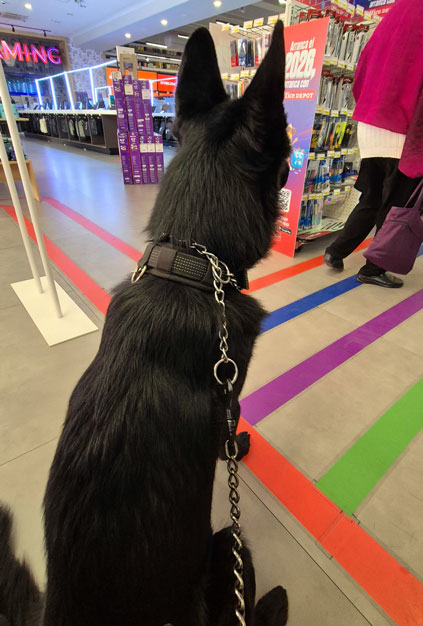
Due to its distrust of new experiences, it is important for it to learn to socialize in different situations.
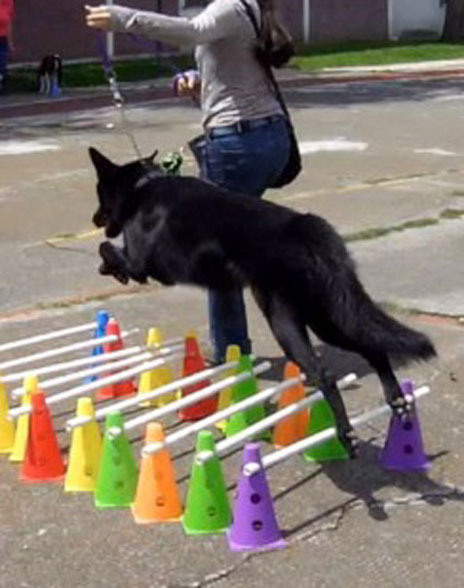
Image from Equilibrio Canino (edited)
It is an intelligent dog that can learn tricks and skills. Always through positive reinforcement.
In the end, a Calupoh can become whatever you guide it to be, as long as you dedicate time, attention, and patience.
Reference:
Estándar Oficial del Calupoh, Federación Canófila Mexicana (FCM) Ir
Recommendations for Purchasing a Calupoh
Acquiring a Calupoh is a decision that should be made responsibly and proper information. Here, we´ll share some recommendations to help ensure a positive experience for both you and your future lifelong companion.
Learn about the breed
Research the characteristics, temperament, and needs of the Calupoh. Understanding its energy level, size, and behavior will help you determine whether it fits your lifestyle, available space, and daily routines.
Choose a Responsible Breeder
Look for a responsible breeder who follows established ethical breeding standards. This helps ensure a healthy dog with a balanced temperament.
A reputable breeder:
Speak directly with the breeder
Meet the breeder in person o via video call. Ask questions such as:
Take this opportunity to clarify doubts regarding:
A responsible breeder will also want to know about you: they may ask about your lifestyle, home environment, previous experiences with dogs, and long-terms plans. This demonstrates their commitment to placing their puppies in responsible and well-prepared homes.
Before Receiving your Puppy
At Time of Delivery
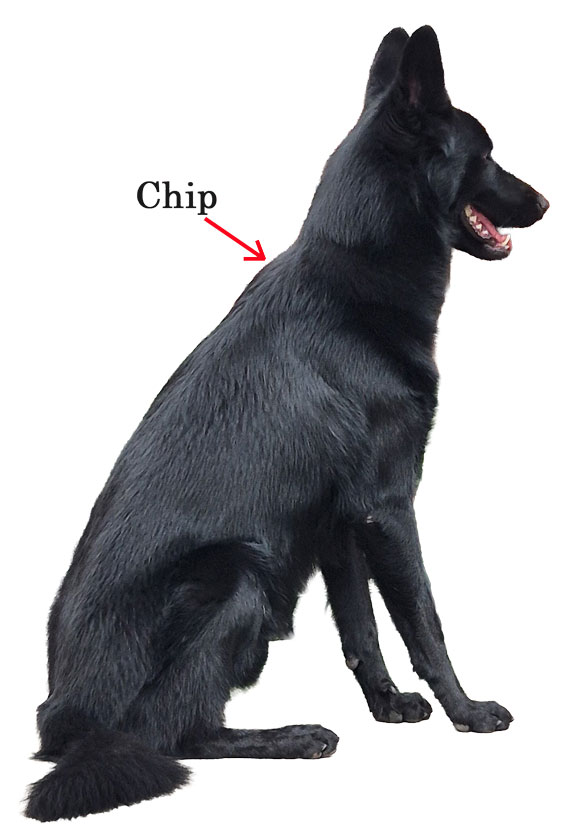
Microchip located on the upper back
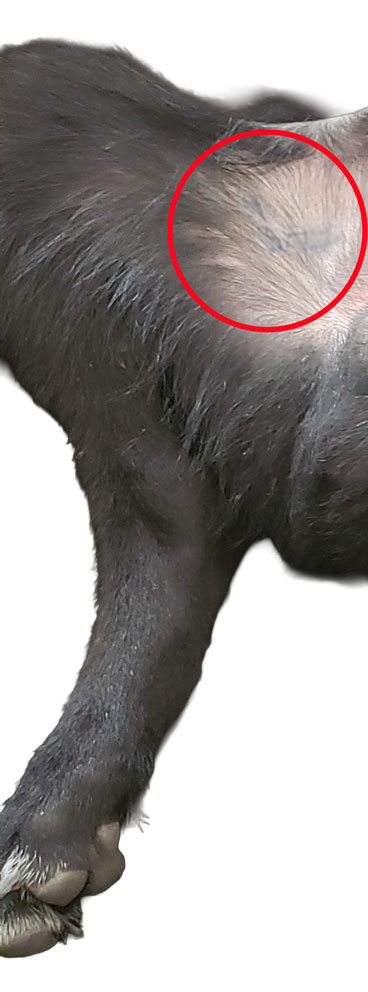
Tattoo in the groin area (in México)
** This document certifies ownership before the FCM and relevant authorities. If the ownership transfer is not completed, a previous owner could potentially claim the dog, and additional legal procedures may be required to resolve the matter. **
Front side of the Pedigree certificate (FCM)
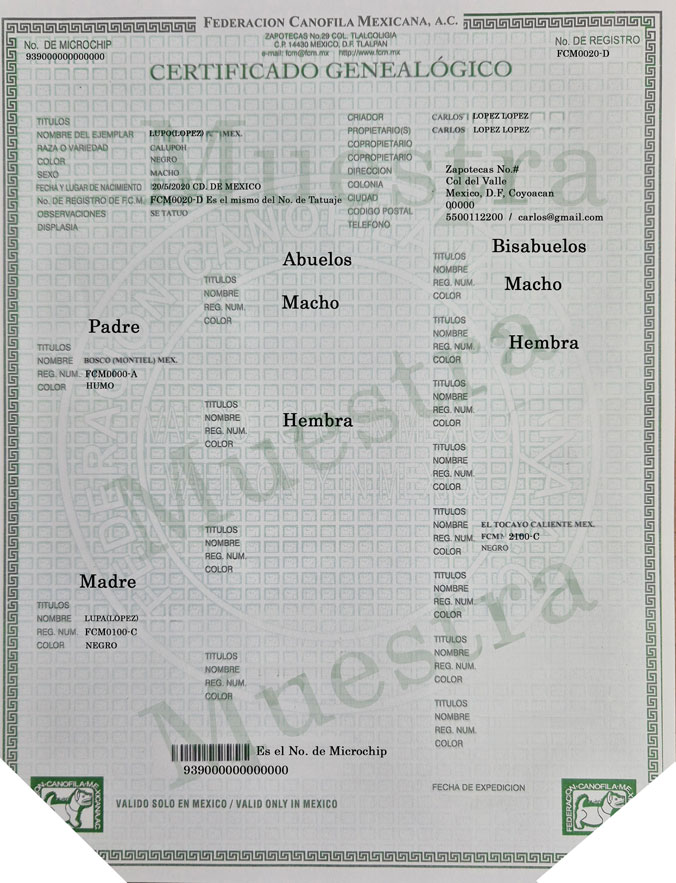
Sample Pedigree certificate. The original document should include all fields fully completed.
Owner information section

Fair Price
The average price of kennel-bred Calupoh ranges between $30,000 and $40,000 MXN (1,500 – 2,000 USD; 2026 pricing). Not including shipping costs.
Keep in mind that a responsible breed invests significant time, care, and financial resources in each puppy, including nutrition, health care, vaccinations, medical exams, and socialization.
WARNING
If a puppy does not have a microchip, tattoo, and official Pedigree (in Mexico, both the tattoo and the color green Pedigree are mandatory), and is offered at a price significantly lower than the standard range, this is a strong indicator of a scam or irresponsible breeding.
Be cautious if the seller attempts to impose informal conditions, such as requiring you to return the dog after a certain period so the breeder may “make use of it”. This reinforces the importance of completing the official ownership transfer.
A breeder may legitimately show interest in the puppy´s health and well-being. That is part of responsible breeding. What is not acceptable is maintaining control over the dog through ambiguous or informal agreements.
In the following links, you will find useful information for transferring ownership in Mexico (if you live in Mexico) and for verifying whether your dog is registered with the Federación Canófila Mexicana (FCM), in case it was acquired in Mexico.
Requirements for ownership transfer at the Federación Canófila Mexicana (FCM):
Requirements to become a member of the Federación Canófila Mexicana (FCM):
Verify whether the dog is registered with the Federación Canófila Mexicana (FCM):
Nutrition
The Calupoh is strong, athletic, and of ancestral origin; therefore, its nutrition should be based on a protein-rich diet that supports both physical and mental development.
The ideal feeding approach is a BARF diet, based on raw meat, bones, and supplemented with cooked fruits and vegetables. This type of nutrition promotes optimal physical condition and cognitive development.
The Calupoh´s digestive system is well adapted to processing raw meat and bones. An adult may require between 1 and 1.5 kg (2.2–3.3 lbs) of meat per day, depending on weight, activity level, and climate. The diet may also be complemented with cooked fruits and vegetables, as well as sources of calcium and collagen, which are especially important during growth.
If kibble is chosen, it must be high in animal protein and grain-free. However, kibble does not replace fresh meat, which remains fundamental to the breed´s health and vitality.
Do not mix BARF and kibble in the same meal, as they have different digestion times and may cause gastrointestinal issues.
For complete information about its nutrition, visit the Calupoh Owner´s Guide section. You can also explore the Recipes section of our blog, where you´ll find natural meal ideas to help keep your Calupoh strong, healthy, and happy.
This space is intended for those who wish to look beyond appearance and discover the true history of the Calupoh.
We invite you to explore our website, read our blog, and learn more about the legacy of this living symbol of Mexico.