
What you should know before living with this Mexican breed.
Before thinking about bringing a Calupoh into your life, it is essential to pause and reflect. This is not a common breed, nor is it a decision that should be made impulsively. The Calupoh requires time, space, and long-term commitment.
This guide is meant to support you through that process, helping you understand their nature and avoid unrealistic expectations that could affect the well-being of your future companion.
Their history, temperament, and the way they relate to their environment require an informed and conscious owner, someone willing to build a bond based on respect and mutual trust.
The Calupoh is not a breed meant for a sedentary lifestyle. They need daily physical and mental stimulation, clear routines, and to be closely involved in family life. Educating yourself before making a decision is not only an act of responsibility, but the first way to protect them and prevent future abandonment.
Choosing a Calupoh means honestly asking yourself:
Do I truly have the time, space, and willingness to understand and support them throughout their entire life?
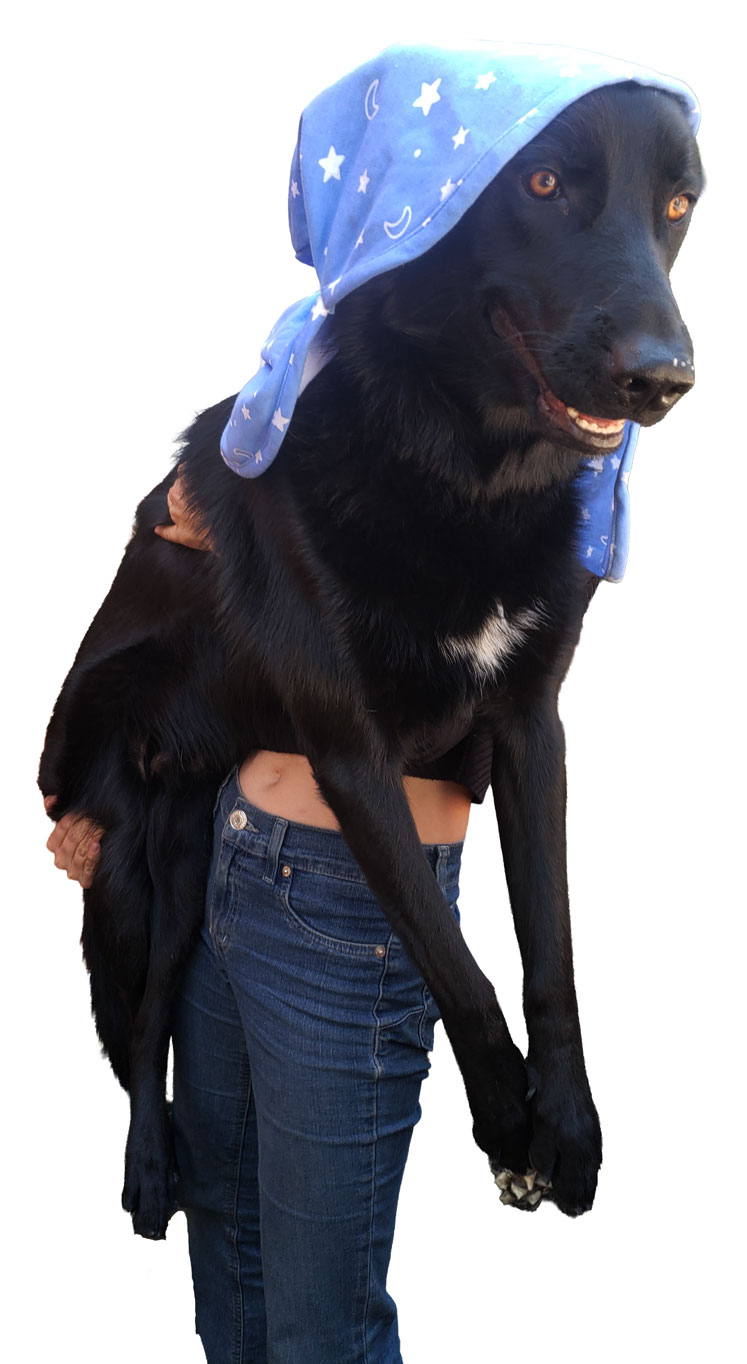
Bringing your Calupoh home: Adaptation and First days
What to expect when you bring your Calupoh puppy home?
Before bringing your puppy home, ask the breeder about their routine, feeding schedule, and habits. This information will make the transition easier and help reduce the puppy´s stress.
Arriving at a new home is a crucial moment. When separated from their mother and siblings, the puppy goes through a period of adjustment. It is normal for them to appear distant, shy, distrustful, reserved, or fearful. These behaviors are not signs of a problem.
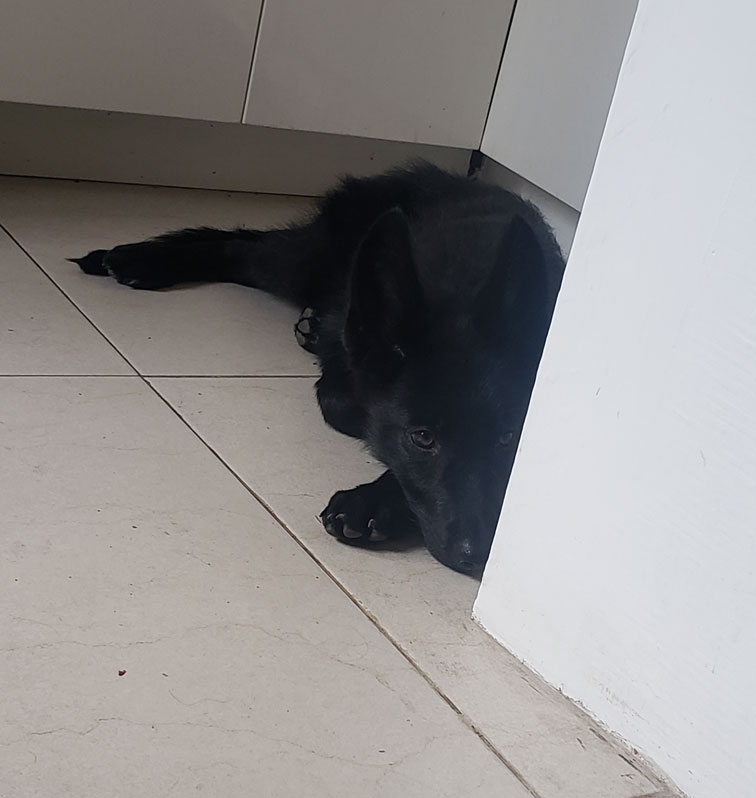
Earning their trust can take anywhere from a couple of weeks to a month. It all depends on the time, patience, and presence you provide.
The Calupoh is a pack-oriented dog. When they arrive at your home, it needs to learn that you are now part of their new group. Integration is not achieved through force, but through consistent and positive interaction. Spend time with it, include it in your daily activities, play with it, and allow it to observe you. The bond is built through presence.
A simple but effective recommendation is to place a piece of your clothing, or that of a family member, in their resting area so they can become familiar with your scent and feel more secure.
With time, that shy puppy becomes a loyal and protective companion to their family.
Building a bond
A bond with a Calupoh is not imposed, it is built. This breed responds best to constant companionship and shared daily life. Before thinking about commands or formal training, it is essential to establish a relationship based on trust.
Spending time together, playing, going for walks, and simply being present strengthens the connection. The Calupoh needs to recognize their owner as part of their pack, someone they can trust and feel safe with.
Throughout their life, a Calupoh may show fear in new environments, around noises, unfamiliar people, or unknown situations. This behavior is not a problem, but a natural expression of their wolf heritage.
Frist walks and managing fear in puppies
During the puppy stage, the Calupoh often shows fear of going out for walks. This is normal. Their instinct tells them that when facing the unknown, the safest place is home.
The first walks should be gradual:
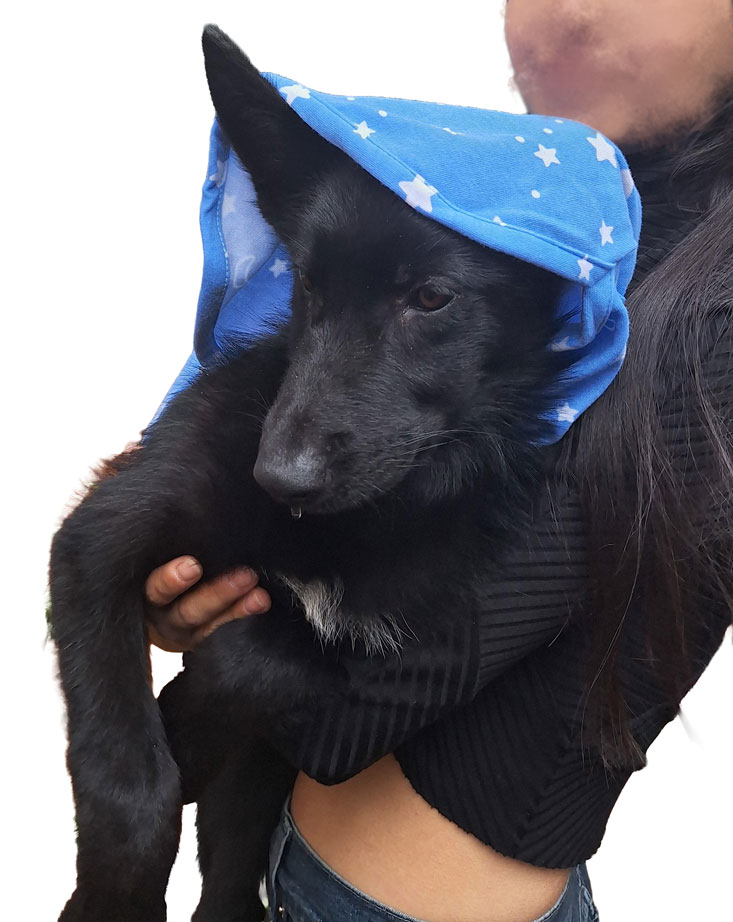
- At first, you may carry them so they can become familiar with the area.
- Sit with them in a quiet place so they can get used to the sounds and smells, allowing them to observe their surroundings without pressure.
- Later, encourage them with treats to walk short distances.
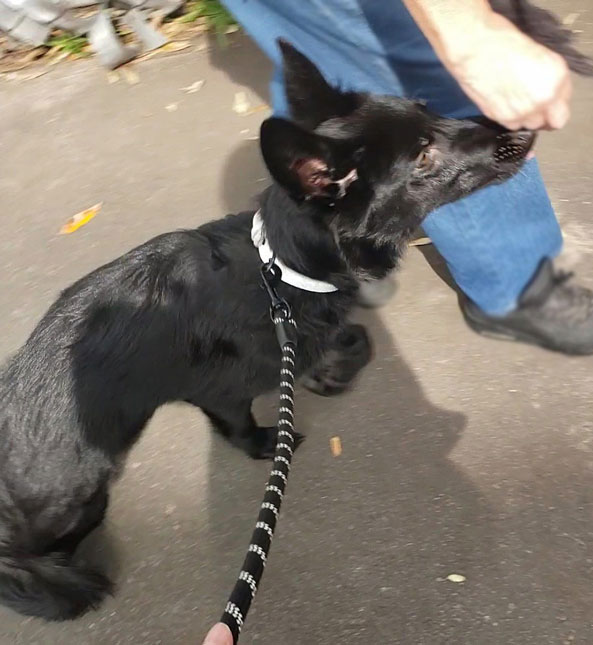
With time and positive reinforcement, they will gradually gain confidence to walk and explore, turning walks into one of their favorite moments of the day.
During this process, it is essential to transmit calmness and security. Forcing situations only reinforces fear. Never scold or punish them for being afraid. Avoid negative experiences with other dogs during this stage. Let them sniff, observe, and adapt at their own pace.
Supporting them, validating their emotions, and rewarding small progress is the best way to help them build confidence.
Socialization of the Calupoh
The Calupoh is naturally distrustful of strangers, which is why early socialization is essential. Exposing them in a positive and controlled way to people, dogs, and different environments will help them gain confidence and develop in a balanced way.
If they do not live with other dogs at home, group classes are an excellent tool. In addition to socializing, they help channel their energy and tech basic rules of coexistence.
Exercise, Behavior, and Breed Characteristics
The Calupoh is a high-energy dog that requires daily activity. Walks are not only physical exercise, but also a form of mental and social stimulation. At least two hours of activity per day are recommended, divided between morning and afternoon.
Walks should include time for sniffing and exploring, as this helps prevent unwanted behaviors such as anxiety and destructive tendencies.
As a strong dog breed, training from puppyhood is important to prevent accidents and encourage safe walks.
It is hierarchical breed, which means it needs firm, consistent, and reliable owners. Firmness does not mean harshness, but rather clear rules and routines. Training should always be based on positive education and respect.
The Calupoh is intelligent and learns quickly, although it can sometimes be stubborn. Patience will be your greatest ally.
El Calupoh es un perro silencioso, aúllan principalmente, pero si conviven con perros aprenden a ladrar. Este comportamiento es completamente normal y forma parte de su herencia lobuna.
During adulthood, if a new puppy arrives at home, it is common for the Calupoh to change its behavior and become playful and curious again.
Thanks to its double coat, the Calupoh can adapt to both cold and warm climates. During hot weather, it is normal for its appetite to decrease.
It is important to keep in mind that Calupoh puppies are not small. Between 2 and 3 months of age, they can weigh between 7 and 10 kg (15 – 22 lbs), so they are considered large puppies from the very beginning.
Nutrition
The Calupoh is a strong, athletic dog with ancestral origin, so their nutrition should be based on a natural protein-rich diet that supports both physical and mental development.
The ideal diet for this breed is the BARF diet (Biologically Appropriate Raw Food), which consists of offering fresh, natural foods.
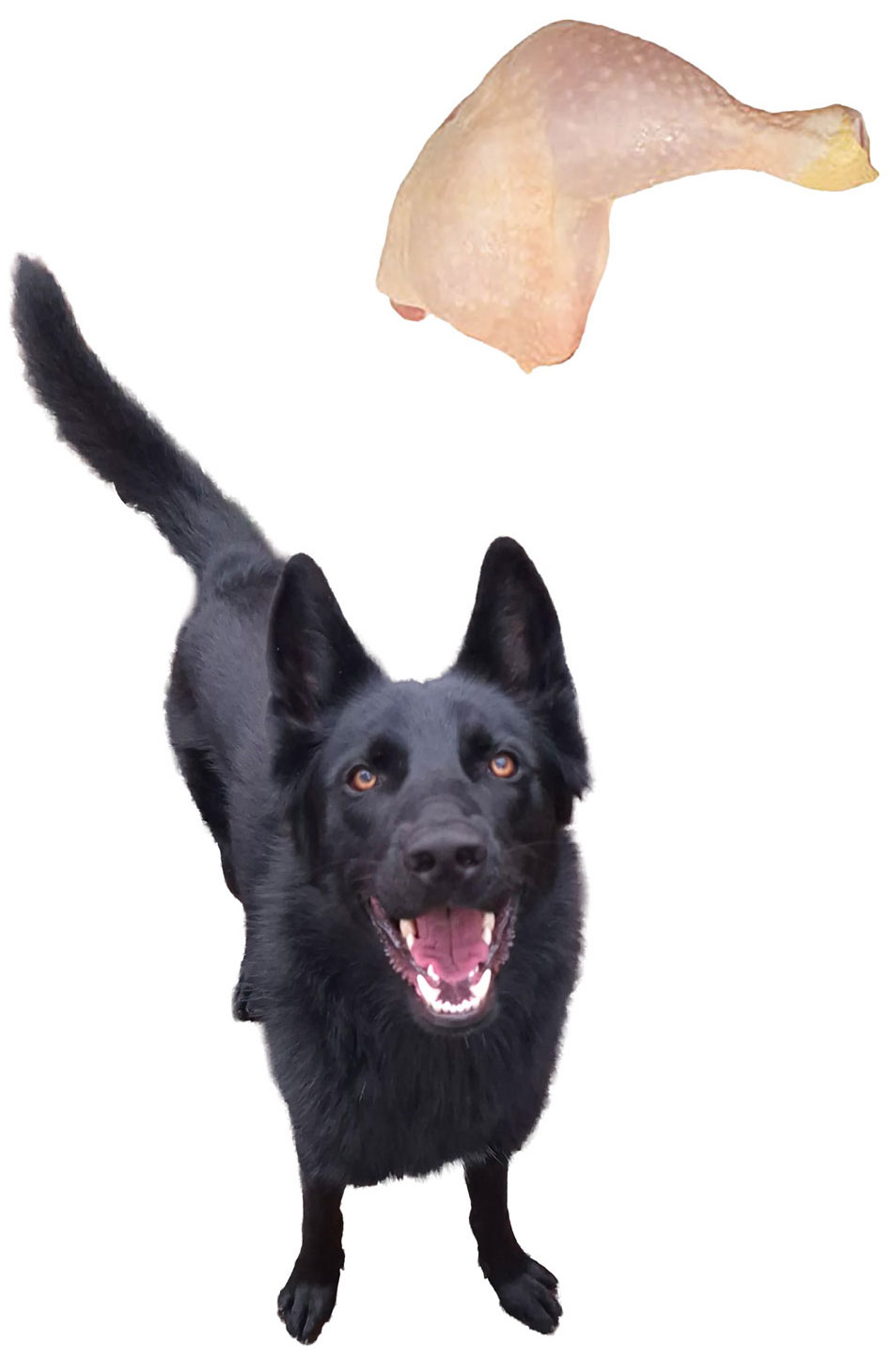
Diet and Nutritional Requirements
The Calupoh´s stomach is designed to digest raw meat and bones.
An adult can consume between 1 kg and 1.5 kg (2.2–3.3 lbs) of raw meat per day, depending on their weight, activity level, and climate.
As a general reference, it is recommended to offer 1.5kg of meat for every 40 kg (88 lbs) of body weight.
Examples of recommended foods:
Avoid feeding only chicken necks or carcasses as the sole source of meat.
The Calupoh can also eat cooked fruits and vegetables as part of a balanced diet, always following the same safety and toxicity guidelines that apply to any dog. It is also important to include sources of calcium and collage, either naturally or through supplements, especially during the growth stage.
Safe storage and handling
Raw meat should be kept frozen at -18°C (0°F) or lower to deactivate most bacteria. However, once thawed, bacteria can reactivate. For this reason, it is recommended to:
If you suspect the quality or freshness of the meat, it is best to cook it completely (without bones, as cooked bones can splinter and causes injury).
Frequent diarrhea may indicate contamination or food intolerance.
Kibble (Dry food)
If choosing to feed kibble, it should be:
In general, the Calupoh requires slightly more food than the amount suggested on commercial packaging.
Kibble may be offered as a complement, but it should NOT replace meat, which is essential for their development and overall health.
Never mix BARF and kibble in the same meal, as they digest a different rates and may cause gastrointestinal issues.
Introducing new foods
Any diet change should be introduced gradually over the course of one week:
- Days 1–2: 25% new food + 75% previous food.
- Days 3–4: 50% new + 50% previous.
- Days 5–6: 75% new + 25% previous.
- Days 7: 100% new food.
Watch for possible signs of intolerance, such as vomiting, diarrhea, gas, or itching.
If allergies appear, consult a veterinarian to perform food trials and adjust the diet accordingly.
Feeding stages
Weaning:
At 3 weeks of age, puppies begin developing teeth, and the mother gradually stops nursing them.
After weaning:
2 months:
3 months
4 a 5 months
6 months and older
During all these stages, ensuring a good source of calcium and collagen is essential for proper bone and joint development.
Proper nutrition will be reflected in their energy levels, muscle tone, coat quality, and longevity.
In our recipes section, you´ll find everything you need to support your Calupoh´s nutrition through its different stage of life.
Common Myths
One of the most common mistakes is assuming that, because of its imposing appearance, the Calupoh is a guard dog or an attack dog. Although its presence can be intimidating, its first reaction to a situation it perceives as dangerous is usually to flee rather than confront it. This behavior comes from its wolf heritage, where survival depended on avoiding unnecessary risk.
For this reason, it is essential to introduce the Calupoh to new experiences in positive and gradual way, helping it understand that these stimuli do not represent a real threat.
Although its initial reaction to danger is usually to escape, this behavior can change depending on the context. When more than one Calupoh lives in the same household, their hierarchical structure comes into play, which may lead them to adopt a more proactive role in the face of a potential threat. Likewise, if there is only one dog and it perceives that its family may be at risk, it may also become proactive and alert.
Even so, it is important to understand that its nature leads it to avoid confrontation first. Only in situations it considers truly necessary will it activate its protective instinct.
The Calupoh is not an experiment or an unpredictable hybrid. It is an established breed developed through careful and responsible work. Thanks to this, its temperament remains stable and consistent throughout its life, without sudden changes in character when reaching adulthood. Unlike what can happen with wolfdog hybrids, the Calupoh does not becomes unstable or aggressive at 2 years of age.
Living with a Calupoh: Commitment, Time and Respect
The Calupoh is not a trend or an object of aesthetic admiration. It is a living being with complex needs, a deep history, and a unique character.
Living with this breed requires time, patience, and lifelong commitment. In return, it offers loyalty, connection, and a truly unique bond.